Most people think hydration starts and ends with how much water they drink in a day. Maybe they aim for eight glasses. Maybe they carry a giant water bottle with hourly markings on the side. Maybe they’re trying to hit half their body weight in ounces because they heard that somewhere and it sounded official.
But hydration is more complicated than water intake alone.
You can drink a lot of water and still be poorly hydrated. In fact, some people are constantly drinking water and peeing all day long, yet still dealing with fatigue, cravings, headaches, constipation, poor recovery, and stalled weight progress. That’s usually the clue that the issue isn’t simply “not enough water.” It’s that the body isn’t using water effectively.
Hydration is a process. It involves absorbing water, retaining the right amount in the right places, moving nutrients into cells, supporting digestion, and helping the body remove waste efficiently. It’s not just intake—it’s utilization.
And when hydration isn’t working well, weight health often feels it too.
How Hydration Affects Weight Loss, Energy, and Metabolism
People are often surprised to learn how closely hydration and metabolism are connected.
Every major metabolic process depends on fluid balance. Digestion depends on it. Blood sugar regulation depends on it. Fat loss and elimination of toxins liberated as a result both require it. Recovery from exercise depends on it. Even the body’s ability to properly use nutrients relies on hydration at the cellular level.
When hydration is off, the system compensates. Stress signaling increases. Digestion slows. Energy becomes less efficient. Cravings can intensify, especially for quick-energy foods. Some people also experience bloating or water retention, which can feel confusing because it looks like “too much water” rather than too little effective hydration.
This is where the bigger shift happens.
I often ask clients a simple question: are you functioning more like a hose or a sponge?
A hose lets water pass straight through. In one end, out the other. Very little is held or used. A sponge absorbs water, retains it, and uses it where it’s needed.
When it comes to hydration, the goal isn’t more water; it’s better use of water.
Signs of Dehydration Even If You’re Drinking Enough Water
One of the biggest hydration misconceptions is that frequent urination automatically means good hydration.
Not necessarily. It can also mean water is moving through the system faster than it can be absorbed. This shows up often in people who drink large amounts at once, rely heavily on caffeine, exercise without replacing electrolytes, or significantly restrict carbohydrates, which help the body hold onto water.
Other signs of poor hydration are often subtle: afternoon fatigue, headaches, dry skin, constipation, dizziness when standing, muscle cramps, persistent cravings, or a general sense of “puffiness.”
Quick question: do any of these sound like you and your body’s signals?
Thirst is also an unreliable marker for many people. Chronic underhydration can blunt thirst cues, and lifestyle factors like stress, travel, medications, or appetite changes can further disrupt hydration awareness.
In practice, people often don’t realize their hydration has shifted until other systems—energy, digestion, recovery—start to feel off.
I’ve worked with patients using GLP-1 medications who suddenly realized they were barely drinking water anymore because they no longer felt hungry or thirsty in the same way. Their water intake dropped, and digestion, energy, and recovery all started to suffer alongside it.
Why Drinking Large Amounts of Water at Once Can Backfire
A common hydration pattern I see is what I call the “catch-up approach.”
Someone barely drinks water throughout the day, suddenly remembers hydration after a workout or at dinner, then downs a huge amount all at once. Predictably, they spend the rest of the evening running to the bathroom, waking up mid-zzzz’s to pee and feeling fatigued (a common symptom of suboptimal hydration) the next morning.
The body generally does better with steady hydration opportunities throughout the day instead of large floods of fluid all at once.
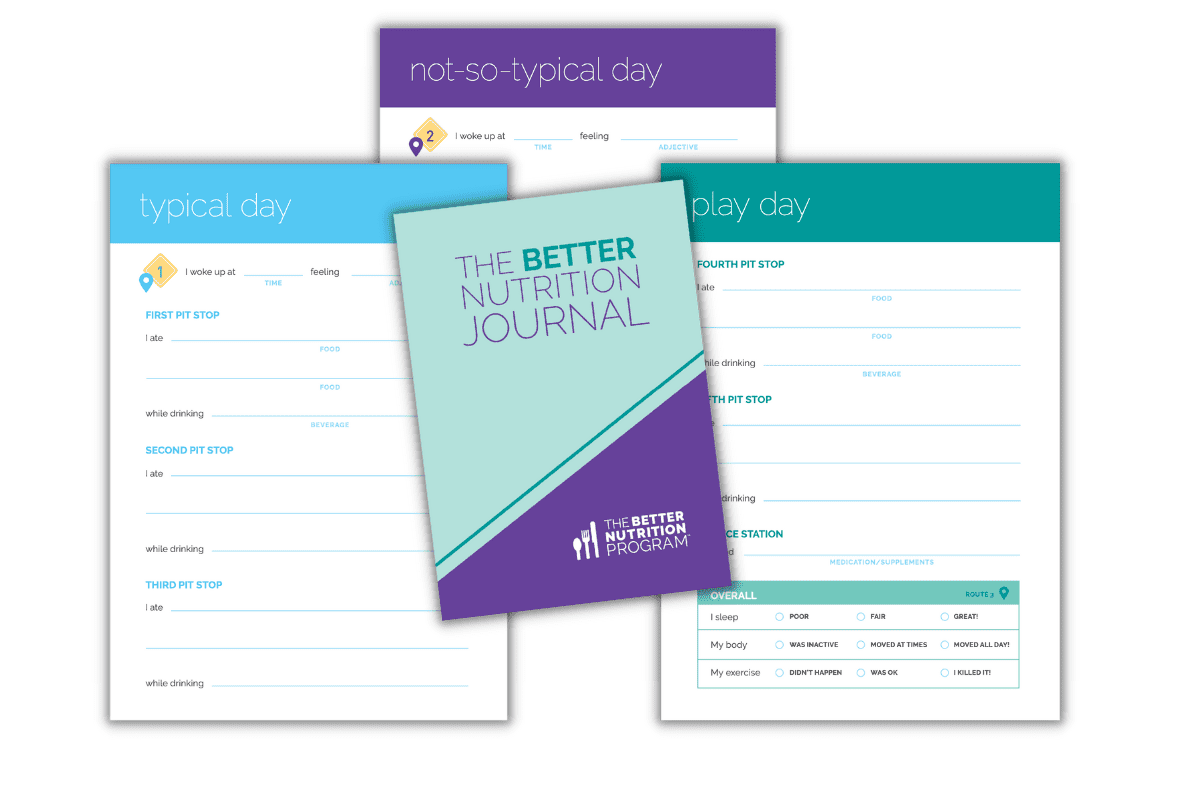
I often recommend a “pit-stop” approach instead. Smaller amounts consumed consistently tend to support better absorption and retention. For many people, that looks like drinking about 8 to 12 ounces every few hours rather than carrying around a gallon jug and panic-drinking half of it at 8 p.m.
This also helps people become more aware of their body’s actual hydration patterns instead of turning water into another wellness checkbox.
Electrolytes, Digestion, and Cellular Hydration Explained
Hydration also depends on minerals, digestion, and nutrient balance.
This is where electrolytes come in. Sodium, potassium, magnesium, and other minerals help regulate fluid movement in and out of cells. Without optimal amounts of these electrolytes, water absorption can become less efficient, especially for people who sweat heavily, exercise intensely, or consume a highly processed diet.
But electrolyte supplements aren’t a magic substance, either. Adding electrolyte powders to three liters of water won’t automatically fix hydration if digestion is compromised, nutrient intake is poor, or the body is overwhelmed by stress and inflammation.
Hydration and digestion are deeply connected. Water works alongside fiber to move waste through the digestive tract. It helps transport water-soluble nutrients. It supports circulation and the gut environment itself. When digestion improves, hydration often improves too and vice versa.
That’s why many effective weight-health strategies focus on foundational ecosystem support first: hydration, digestion, nutrient balance, sleep, stress regulation, and movement. The body tends to function much better when those basics are working together.
How to Improve Hydration Throughout the Day
Improving hydration doesn’t always require drinking dramatically more water. Often, it’s about helping your body use water more effectively and making hydration easier to maintain.
- Start your day with water. Sleep naturally reduces fluid levels, so morning hydration helps reset balance early.
- Make water easier to enjoy. Lemon, lime, cucumber, mint, or chlorophyll can make consistency easier.
- Eat electrolyte-rich foods. Fruits, vegetables, nuts, seeds, beans and even chocolate contribute meaningful levels of these nutrients for hydration.
- Adjust timing. If nighttime bathroom trips are an issue, shift fluids earlier in the day. That means all of them, or in the case of alcohol and sugar-sweetened mocktails, relegate them to infrequent choices.
- Notice patterns, not just thirst. Energy dips, cravings, headaches, or constipation can all reflect hydration shifts.
At this point, hydration stops being a simple “drink more water” question and becomes something you can actually observe in your own body.
Your Better Next Step: The Hydration Experiment
If there’s one takeaway I want to leave you with, it’s this: hydration isn’t about how much water you drink. It’s about what your body does with that water.
Many people assume they’re hydrated because they carry a water bottle everywhere. Others assume they’re dehydrated because they feel thirsty. Neither tells you how well your body is actually absorbing, retaining, and using water.
That’s where the Hydration Experiment comes in.
It starts simply: drink water. What matters is what happens next.
How quickly do you need to use the bathroom? What does that response suggest about absorption, digestion, electrolyte balance, and hydration function?
This is where most people realize they’ve been guessing.
And where the real insight begins.
Because those patterns can offer meaningful insight into energy, cravings, digestion, recovery, and weight health.
From there, a personalized assessment can help you:
- Understand your hydration patterns
- Identify factors affecting absorption and use
- Determine appropriate water needs for your body
- Support digestion and metabolic function
- Clarify whether you’re functioning more like a hose or a sponge—and what to do next
If you’re to stop guess and start understanding your body, we have three ways to go deeper:
- Book a free 15-minute consult to review your hydration patterns and identify what may be affecting weight health
- Join the self-paced weight health course to learn how to run and interpret the Hydration Experiment on your own.
- Read Your Best Shot, where hydration, digestion, metabolism, and weight health are connected into one integrated system.
The goal isn’t to follow a one-size-fits-all water rule. It’s to understand your body well enough that hydration finally starts working with you—not against you.
About the Author
Ashley Koff, RD, is a registered dietitian with 25 years of clinical experience and one of the country’s leading weight health experts. She is the founder of The Better Nutrition Program and the bestselling author of Your Best Shot. Her work focuses on personalized nutrition, gut microbiome optimization, GLP-1 wellness, and helping individuals achieve lasting weight health through approaches tailored to how their specific body functions.