It usually starts innocently. A podcast on testosterone optimization. A reel about fasting. A guy on YouTube eating raw liver in the front seat of his truck. A friend suddenly swearing by cold plunges, electrolytes, or a supplement stack that costs more than your monthly car payment.
Next thing you know, you’re lying in bed at 11:30 p.m. googling whether oatmeal is secretly ruining your hormones, or wondering if the statin you started to ‘protect your heart’ may actually be lowering your testosterone (a 2022 meta-analysis found a statistically significant reduction in men on statins, though levels often remain within the normal range), leaving you exhausted and confused about whether you traded one risk for another.
This is what I call infobesity — the state of consuming so much health advice that it creates confusion, stress, and decision fatigue rather than clarity. And yes, it can absolutely become a risk factor for your health.
Most men don’t struggle because they aren’t trying hard enough. They struggle because they are taking in massive amounts of conflicting information without enough personalization, context, or support to know what actually applies to their body, today.
More information is not always better. Especially when that information contradicts itself, changes every week, ignores your lifestyle, or creates more confusion than clarity. At some point, “optimizing” starts creating stress instead of reducing it.
And that matters because stress affects everything: digestion, sleep, recovery, hormone signaling, body composition, and consistency. In other words, the overload itself becomes part of the problem.
One of the biggest patterns I see is that your body is not a set of parts. It’s a system. An ecosystem, more specifically. Where each part is responsive to the others. With this view, this issue(s) producing any suboptimal function isn’t usually effort. It’s alignment.
Take weight health, for example. This term references the state where your bone, muscle, fat and water content — the type, amount, and location — reveal the body is happy with the resources it receives, no compromises needed, and it can use them effectively. When you have weight health, your body is getting what it needs to build muscle and bone, hydrated to optimize metabolic functions and elimination, and not building excess body fat. When you don’t have weight health, in any one of these areas, that’s also a signal that the body is either not able to use what it is getting or it isn’t getting enough of or the right types of resources.
For all men, regardless of the “what” of your goal, the “how” is the same – assess and optimize, as indicated, ecosystem suboptimal or frank dysfunction and resource load. While these conversations are often framed around “men’s” health, we know bodies and identities are not one-size-fits-all. Many of these patterns can affect anyone navigating male-associated hormonal, metabolic, or lifestyle stressors.
Here’s How We Build (or Repair) Strength, Energy and Resilience
Pizza. Crust, sauce, cheese — and then the optional toppings. Here pizza is an analogy. It’s an approach that I created because I didn’t know enough about cars to make the analogy stick. In our pizza analogy, your crust is the foundation that has to be in play for optimal operations — your digestion and hydration. Your sauce is your total nutrition and your cheese is your lifestyle choices and behaviors. When it comes to how men’s nutrition is typically presented in social media, the media, and even with practitioners — most of the time it’s all about the toppings (medications, treatments etc.). Yet, the toppings only optimize a well-built pizza. Time and again, I get someone who says their medication isn’t working or that plunging or fasting etc. isn’t helping them reach their goal. When we unpack it, it turns out, the pizza foundation beneath the toppings wasn’t delicious to their body today.
The Crust: Why Digestion and Hydration Matter
Most men want to start with the “advanced” stuff. Supplements. Macros. Testosterone optimization. Cold plunges. Powdered things in matte-black tubs with names that sound mildly illegal.
Meanwhile, they’re dehydrated, skipping meals, eating dinner at 9:30 p.m., surviving on caffeine, sleeping six hours, and wondering why their body composition, energy, and recovery feel stuck.
Your body can only build with what it can digest, absorb, and deliver.
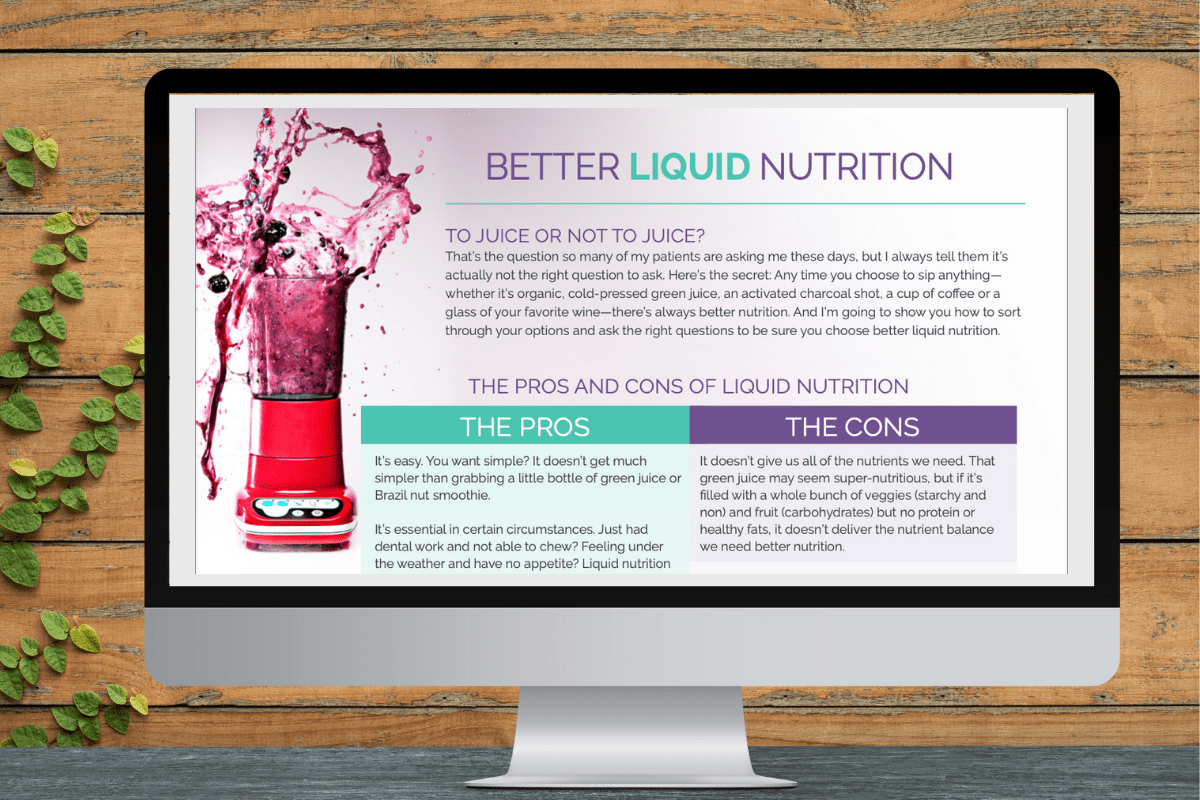
Hydration is not just about drinking more water because someone on TikTok said you need a gallon a day. Water helps transport nutrients, regulate blood sugar, support digestion, move waste products out of the body, and support cellular function. In other words, if nutrients are the construction materials, water is the delivery truck. And digestion? That’s the loading dock.
Without effective digestion and hydration, the body has a much harder time building muscle, supporting metabolism, balancing hormones, recovering from exercise, regulating appetite, and maintaining energy.
This is also why timing matters. Many men unintentionally create stress in the body by under-eating all day, eating large meals late at night, relying heavily on caffeine, hydrating inconsistently, or using alcohol to “wind down.” The body responds to all of those inputs. And contrary to internet mythology, there is no supplement stack powerful enough to out-supplement chronic under-recovery.
The Sauce: What Nutrition Actually Supports Men’s Health?
Not what most men’s health conversations tee up. They are oversimplified and as a result ineffective. More protein. Less carbs. No calories before noon. Problem solved.
Except the body does not run on one nutrient any more than a car runs on windshield wiper fluid. Men need protein, yes. But they also need fiber, minerals, healthy fats, antioxidants, phytonutrients, and carbohydrates that support activity and recovery. They need enough total nourishment to feel safe building instead of breaking down.
Undereating is not a long-term strategy for strength, metabolism, or resilience. Neither is treating every meal like a punishment for existing.
A lot of men are trying to “optimize” while unintentionally under-supporting their body. While strategies like intermittent fasting can absolutely work well for some people, context matters. For others, fasting may increase stress, disrupt sleep, worsen digestion, or trigger overeating later.
This is why personalization matters. Two men can follow the exact same plan and have completely different outcomes depending on stress load, sleep quality, digestion, activity levels, hormones, and recovery capacity. Your body is not a spreadsheet. It’s an ecosystem.
Looking for some tips on optimizing your fiber intake? USA Today asked Ashley for her men’s health fiber tips, read them here
The Cheese: Why Sleep, Stress, and Movement Affect Hormones
This layer tells the body what to do with everything underneath it. These are not “extras.” These are biological instructions.
Why Sleep Matters — Sleep is not downtime. Sleep is rebuilding time. It affects testosterone signaling, appetite regulation, insulin sensitivity, muscle maintenance, recovery, mood, cravings, energy, and cognitive performance.
Yet sleep is often treated like a negotiable life accessory. There’s almost a cultural expectation that men should be able to run on fumes indefinitely. But biologically, chronic sleep deprivation acts as a stress signal. And stressed bodies tend to prioritize survival over optimization. Translation: your body is not trying to build muscle, regulate hormones, and optimize metabolism while it thinks you’re fighting for your life.
How Stress Affects Men’s Health — Many men are living in a constant low-grade state of “go.” Always reachable. Always plugged in. Always consuming. Always optimizing. At first, that can feel productive. Eventually, it becomes exhausting.
Stress affects digestion, blood sugar, inflammation, food choices, sleep quality, recovery, hormone signaling, and body composition. And one of the sneakiest forms of stress today is constant information overload.
Health advice is everywhere. One person says carnivore. Another says vegan. One says fast. Another says eat every two hours. One says Zone 2 cardio. Another says sprint intervals.
At some point, health stops feeling supportive and starts feeling like a full-time job with no PTO. This is where decision fatigue kicks in. Too many choices eventually make it harder to make supportive choices at all. Sometimes the healthiest thing a person can do is pause the constant input and reconnect with what actually works for their body.
Why Movement Matters — Exercise should challenge the body. It should not destroy it. Movement is one of the strongest metabolic and hormonal signals we can send the body. It supports muscle maintenance, insulin sensitivity, cardiovascular health, mood, mobility, metabolism, and resilience.
But more is not always better. We often encourage “exercise snacks” instead. These smaller bursts of movement throughout the day help build consistency, which matters more than punishment. And while high-intensity training can absolutely be supportive, recovery still matters. A body that never recovers eventually stops responding.
The Toppings: Supplements, Testing, and Personalized Support
Now we can talk about the toppings! Supplements, medications, testing and targeted support can help. But toppings work best when the layers underneath them are supported first.
No supplement can out-supplement chronic stress, poor sleep, dehydration, inconsistent nourishment, or digestion that isn’t functioning well. That’s why personalization matters so much. The goal is not to copy someone else’s protocol from the internet. The goal is to understand what your body actually needs right now.
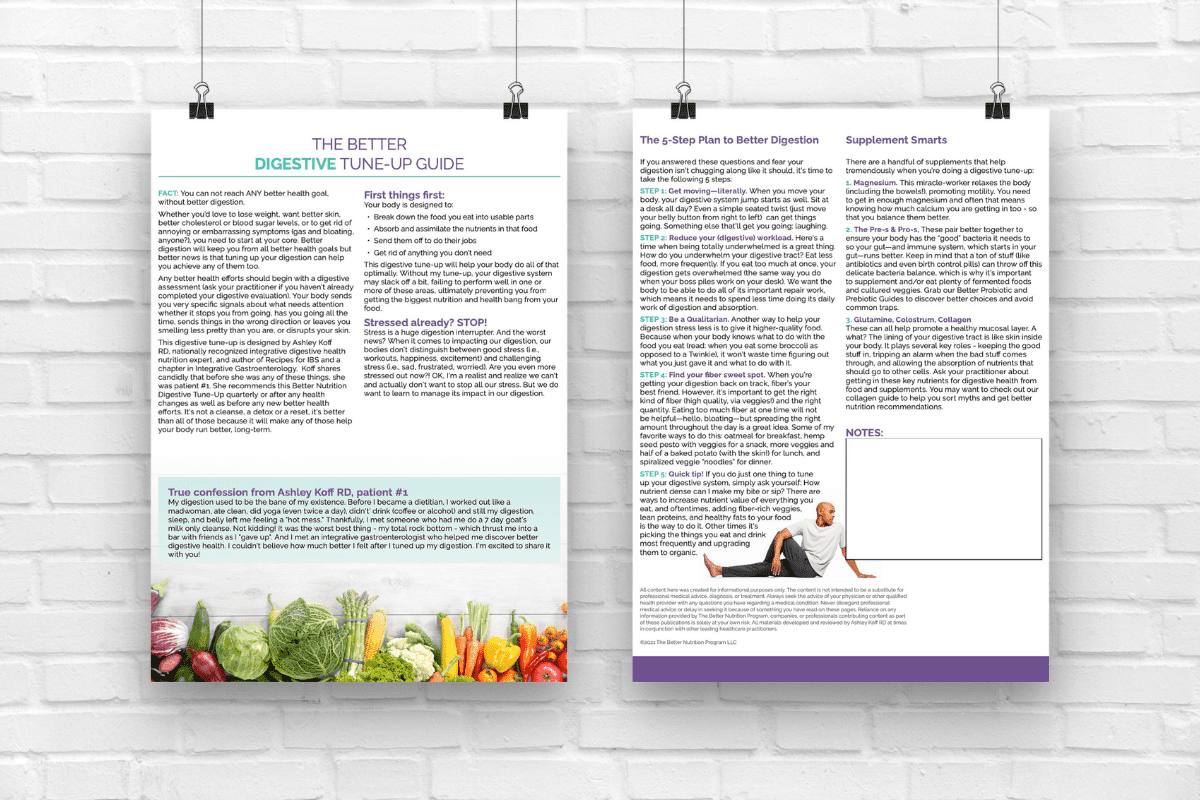
That’s also why we value collaboration with experts like integrative men’s health physician Myles Spar, MD, whose work continues to reinforce the importance of individualized approaches to performance, resilience, recovery, and long-term health.
Your Better Next Step
Because men’s health is not about perfection. It’s about building a system your body can actually thrive in.
This is where a truly personalized approach matters.
Two people can have the same goal—more energy, better body composition, improved performance, healthier aging—and need completely different strategies to get there. That’s because digestion, hydration, nutrition, sleep, stress, and movement don’t affect every body the same way.
When you understand:
- Which parts of your health ecosystem need the most support
- What may be interfering with recovery, performance, or resilience
- How your body responds to nutrition, lifestyle, and environmental inputs
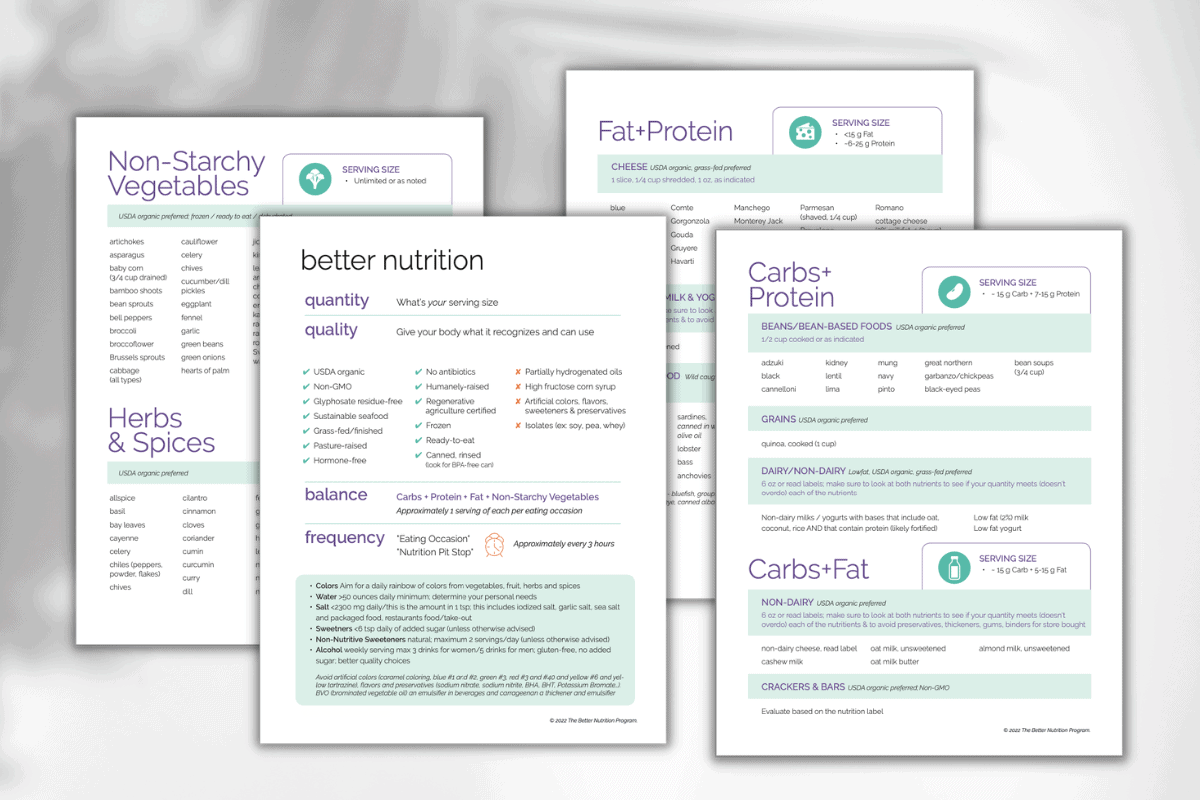
You can stop chasing conflicting advice and start making choices that actually work for your body.
If you’re doing all the “right” things but still not feeling your best, it may be worth looking beyond individual tactics and evaluating how your entire system is functioning.
Book a free 15-minute consult, and let’s discuss how a personalized approach can help support your energy, resilience, body composition, and long-term health goals. If you’d like to go deeper, the experiments and frameworks behind this approach are available in my book, Your Best Shot, and inside the Your Best Shot Community, where you’ll find additional men’s health resources, practical tools, and expert guidance designed to help you cut through the noise and focus on what works for your body.
About the Author
Ashley Koff, RD, is a registered dietitian with 25 years of clinical experience and one of the country’s leading weight health experts. She is the founder of The Better Nutrition Program and the bestselling author of Your Best Shot. Her work focuses on personalized nutrition, gut microbiome optimization, GLP-1 wellness, and helping individuals achieve lasting weight health through approaches tailored to how their specific body functions.
FAQs About Men’s Health, Weight Health, and Hormones
What are the most important habits for men’s health? Sleep, stress management, movement, hydration, digestion, and nutrient intake all work together to support hormones, metabolism, energy, and long-term resilience.
Can stress affect testosterone and men’s hormones? Yes. Chronic stress can influence hormone signaling, sleep quality, recovery, appetite regulation, and body composition.
Why does hydration matter for metabolism and performance? Hydration helps transport nutrients, regulate blood sugar, support digestion, eliminate waste products, and support cellular function throughout the body.
What is “info obesity”? Info obesity refers to taking in so much health and nutrition information that it creates confusion, stress, and decision fatigue instead of helping people make better choices.
What is decision fatigue in health and nutrition? Decision fatigue happens when too many choices and too much information make it harder to make supportive decisions consistently. This can affect food choices, exercise habits, and overall health behaviors.
Does intermittent fasting work for men? Intermittent fasting may work well for some men, but not all. Its effectiveness depends on stress levels, sleep quality, digestion, activity levels, metabolic health, and overall lifestyle context.
Why is personalized nutrition important for men’s health? Different men have different stress loads, activity demands, digestion patterns, hormone profiles, and health goals. Personalized nutrition helps align strategies with what the individual body actually needs.