
Intermittent fasting has been having a moment…for about a decade now. Every few years, it comes back around as the answer for weight loss.
Eat in a smaller window, lose weight, feel better. Simple.But does intermittent fasting work for weight loss?
Intermittent fasting is not a weight loss solution. And weight loss isn’t really your better goal. Let’s unpack the pros and considerations of using a caloric timing window for fat loss, and how to have your results include more weight health wins like blood sugar, digestion, bone, muscle and energy.
What Is Intermittent Fasting, Really?
Simply put, intermittent fasting is a way of structuring your eating (and all caloric intake) pattern with a clear window for calories and a clear window for not taking them in. You eat during your active hours and give your body a true recovery window where it’s not processing calories.
Most people do this within a 10 to 12-hour eating window and a 12 to 14-hour fasting window.
You can read more in this GQ article I was recently interviewed for.
Intermittent Fasting for Weight Loss: The Real Problem That’s Often Missed
When someone asks me if intermittent fasting works for weight loss, what I really hear is: can I change when I eat and have that fix everything else?
I understand the appeal. But that’s not how the body works.
The bigger issue here isn’t fasting. It’s the goal.
Weight loss and weight health are not the same thing. Weight loss is about reducing the total number on the scale. Weight health is about decoding WHY your body is making or keeping fat, losing or not making muscle and bone, putting water where it belongs (along with nutrients it carries) and with that having your body operate optimally.
You can lose weight — and lose muscle and bone. You can lose weight — and worsen blood sugar, disrupt hydration, and increase stress hormones. I see it happen all the time. The scale may go down, but so too do other aspects of your health. e. And when the system doesn’t improve–or worsens– the results don’t last.
That’s why I don’t use intermittent fasting as a weight loss strategy. I use it as a weight-health tool—something that can support how the body functions when it’s used correctly.
What Intermittent Fasting Actually Does in the Body (Metabolism, Recovery, and More)
I don’t just think about fasting as “not eating.” I think about it as protecting your recovery window.
I’m not using it to have someone eat less. I’m using it to help their body run better.
As lives unfold, many people experience times where they start taking in calories eating from the moment they wake up until right before they go to bed. There’s constant input — meals, snacks, drinks with calories. The body stays fed for most of the day.
But your body is designed to have periods where it’s actively using fuel and periods where it’s repairing, regulating, and restoring.
When you take in calories you signal the body to go to work to use those calories. If that happens all day— and especially late into the evening — you’re asking your body to deal and digest when it wants and needs to be doing its recovery work..
When you’re not eating, the body isn’t focused on digestion. That frees it up to shift into repair processes, and reduce overall system load. You’re essentially giving your body space to do the work it’s designed to do, but doesn’t always get the chance.It sounds simple. It is simple. But it can be hard to implement.
And that’s where guardrails like a specific set caloric window can be a win.
Can Intermittent Fasting Help You Lose Weight? Yes—But Not in the Way You Think
If you’re expecting intermittent fasting to cause weight loss directly, you’ll likely be underwhelmed.
Research has shown that simply eating within a shorter window doesn’t outperform eating across the day when everything else stays the same. In other words, changing timing without changing anything else doesn’t move the needle much.
But that’s also the wrong question.
A better question is whether intermittent fasting improves
the conditions that support weight health.
When it’s used well, fasting can improve insulin sensitivity, support more stable blood sugar, reduce late-night or mindless eating, and help create consistency around meals. It can also support better sleep when your eating window isn’t running right up against bedtime.
Those changes are not dramatic, but they are meaningful. And they’re the kinds of changes that actually drive sustainable results. Fat loss, when it happens, is a downstream effect of those improvements.
Why Intermittent Fasting Doesn’t Work for Weight Loss for Many People
You can fast for 16 hours a day and still not see results, and I see this all the time.
- Nutrient balance is suboptimal
- Activity is focused on one time in the day, not after each pit stop
- Nutrient quantity is too much at some pit stops, overwhelming digestion
- Choices aren’t delicious to them, so they leave one pit stop unsatisfied and end up seeking out something delicious soon after
- Hydration is suboptimal
- Digestion is overwhelmed
And when the scale doesn’t reflect wins, fasting “isn’t working.” It’s not that fasting “doesn’t work.” It’s that the rest of their plan isn’t aligning with their body’s needs.
Fasting doesn’t fix those issues. In many cases, it makes them more obvious.
You can’t out-time poor nutrition, poor digestion, or an overwhelmed system. If those pieces aren’t addressed, changing when you eat won’t get you very far.
Why Timing — in the Day — Matters for Weight Loss and Metabolism
One of the biggest mistakes I see is what I call “backloading.” This is when someone skips food earlier in the day and pushes most of their calories into the evening.
It might technically fit within an intermittent fasting window, but it doesn’t align with how the body works.
Your body should typically be metabolically active earlier in the day. This is the time when it’s better equipped to use nutrients, regulate blood sugar, and support activity.
At night, your body is preparing for recovery. So, while you may be “fasting,” you’re not actually supporting weight health if most of your fuel is coming in at the wrong time.
Intermittent Fasting Is Only One Part of Weight Health
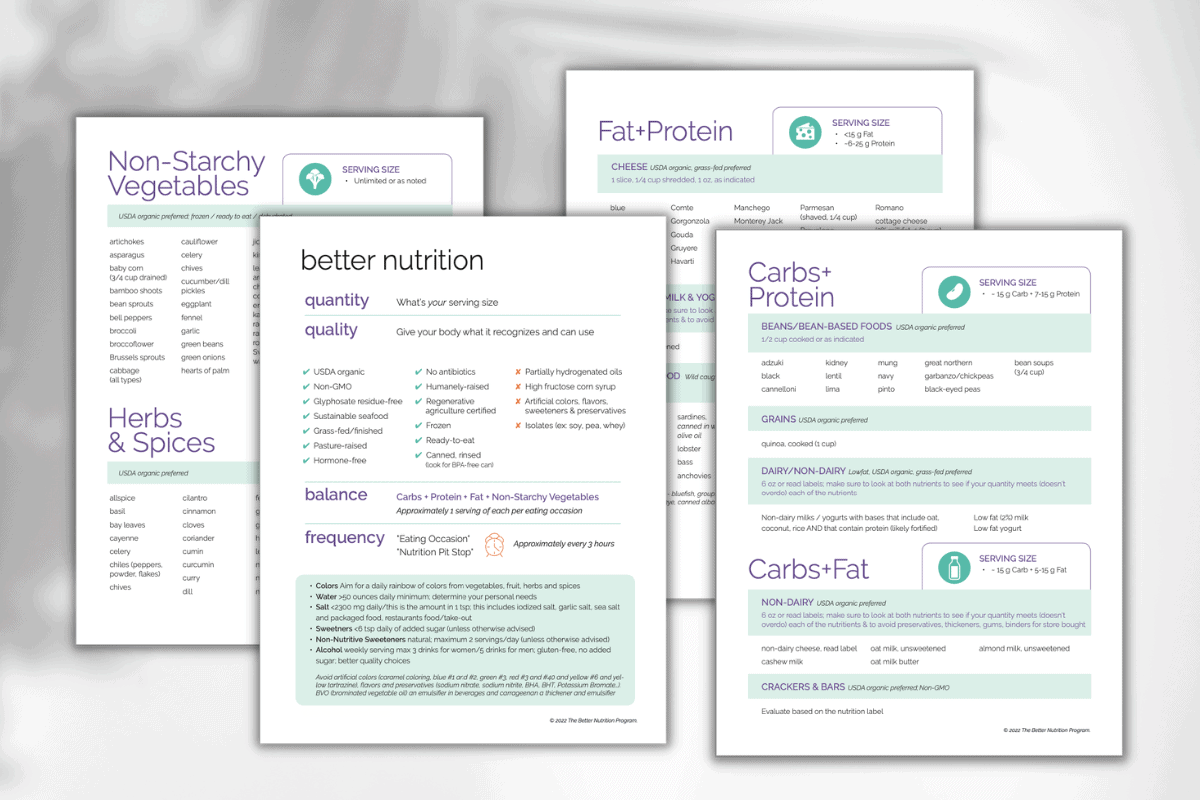
When I look at better nutrition, there are four core pillars:
- Nutrient quantity
- Nutrient quality
- Nutrient balance
- Nutrient timing
Intermittent fasting only addresses timing.
So, you improve your timing but ignore what you’re eating, how much you’re eating, and whether your nutrients are balanced; you’re only solving a single part of the problem. Adjusting one part is rarely enough to achieve lasting results.
How to Do Intermittent Fasting for Weight Health
When intermittent fasting works, it’s not because someone finally got more disciplined. It’s because the approach actually supports the body instead of stressing it.
This is where most fasting plans fall apart.
Here’s what I look for:
1. The goal is weight health, not just weight loss
Optimize digestion, evaluate weight composition to determine if your timing is helping you lose fat, keep and build muscle and allocate water where it should be in your body.
2. Nutrition becomes more intentional
A specific caloric — and especially if shorter — window means fewer chances to meet your needs. Quality, balance, and nutrient density matter more, not less.
3. The body is supported, not depleted
If fasting leads to poor sleep, high cravings, low energy, or hormonal disruption — and more coffee to deal — it’s not helping. Those are signs that something needs to change.
4. Digestion is addressed
If you feel better when you’re not eating, that’s a signal that your system may be overwhelmed during your caloric window. The solution is to improve digestion, not avoid food.
5. Hydration is part of the plan
Water and electrolytes are often overlooked, but they directly impact energy, metabolism, and how well your body adapts to fasting.
6. It fits your real life
Your schedule, stress, activity level, and sleep all matter. If it doesn’t work in real life, it won’t work long term.
What Does an Intermittent Fasting Eating Window Look Like?
I don’t recommend squeezing all your food into one or two meals.
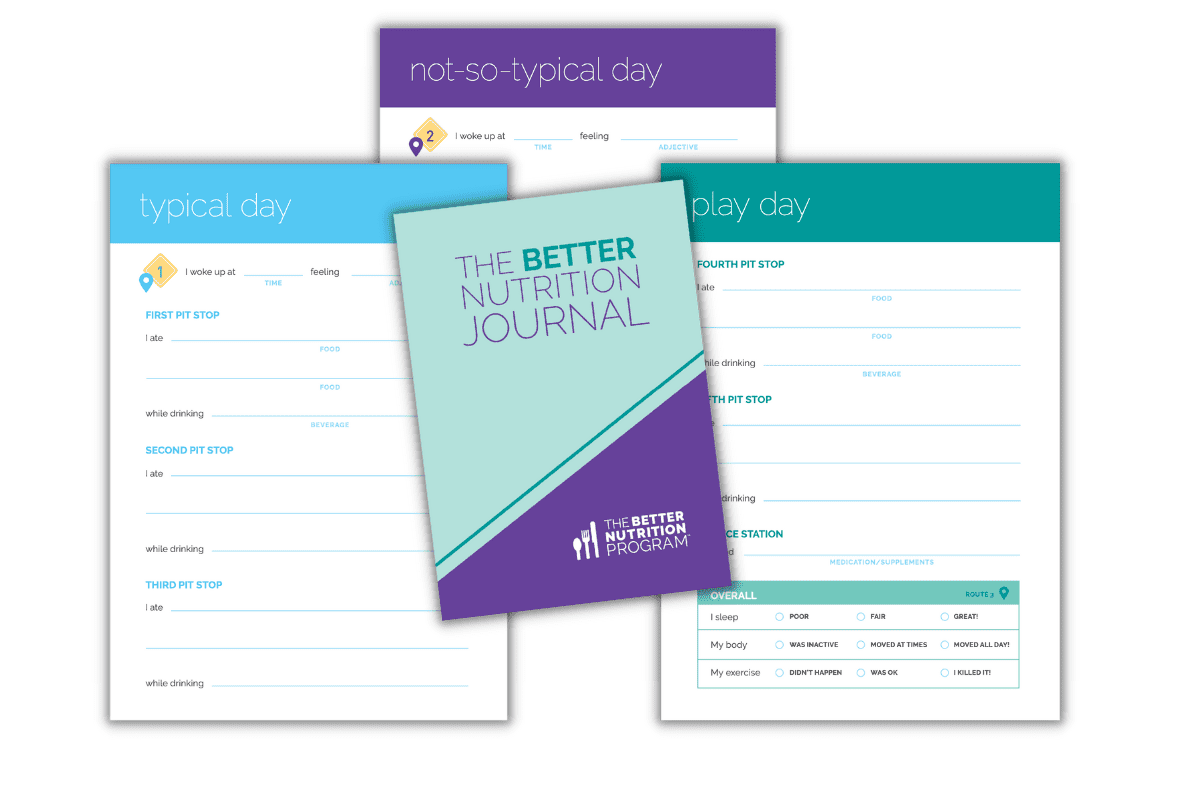
I think about your eating window as a series of “pit stops.” Every few hours, you’re giving your body what it needs—nutrients, hydration, and a chance to reset—so it can perform, recover, and regulate.
That’s very different from grazing all day or cramming everything in at night.
It also gives your body space between inputs, which helps it actually use what you’re giving it.
Intermittent Fasting and Coffee: Do “Zero-Calorie” Drinks Break a Fast?
A lot of people get focused on what “breaks” their fast. Anytime you put something into your body, even if it is a low- or no-calorie food like coffee, you’re sending your body signals. These signals engage digestion, hormones, and metabolic pathways.
Rather than asking “Does this break my fast?” a better question is:
Is this supporting or stressing my system right now?
Who Should Avoid Intermittent Fasting?
Fasting isn’t for everyone, and it shouldn’t be treated as a default recommendation.
I’m more cautious when someone is in a healing or recovery phase, training at a high level, pregnant, or already struggling to meet their nutrient needs. In those situations, the body benefits more from consistent nourishment than from extended gaps between meals.
Context matters. What works well in one situation can work against you in another.
Why Intermittent Fasting Is Only One Piece of Weight Health
Fasting on its own is incomplete. It’s one tool within your weight-health ecosystem, which includes how you eat, how you digest and absorb nutrients, how well you’re hydrated, how you sleep, and how your body regulates energy and stress.
When fasting is combined with better nutrition, digestive support, hydration, and recovery, it can be a powerful way to improve how your body functions.
Without those pieces, it’s just a timing strategy.
Ready to Use Intermittent Fasting the Right Way for Weight Health?
If you’re going to try intermittent fasting, it needs to support your body, not work against it.
Because fasting isn’t the strategy — improving your weight health is.
Your Better Next Step: Find the Better Timing, Your Caloric Window that Delivers Weight Health Wins.
If you’ve tried intermittent fasting and didn’t see the results you expected, let’s find out why?
A personalized plan can help you:
- Define a caloric window that supports your energy, digestion, and sleep
- Make sure you’re meeting your nutrient needs within that window
- Balance quality, quantity, and timing so fasting actually works for you
- Identify factors like stress, hydration, or blood sugar patterns that may be limiting results
A personalized consult can help you connect those dots so your approach works with your body, not against it.
Book a free 15-minute consult, and let’s build a fasting plan that actually supports your weight health.
About the Author
Ashley Koff, RD, is a registered dietitian with 25 years of clinical experience and one of the country’s leading weight health experts. She is the founder of The Better Nutrition Program and the bestselling author of Your Best Shot. Her work focuses on personalized nutrition, gut microbiome optimization, GLP-1 wellness, and helping individuals achieve lasting weight health through approaches tailored to how their specific body functions.
Intermittent Fasting FAQs
What is the best intermittent fasting schedule for beginners?
A 10–12-hour eating window is a practical starting point. It supports energy, digestion, and consistency without over-restriction.
Can intermittent fasting slow metabolism?
It can if it leads to under-eating, poor nutrient intake, or increased stress. When done correctly, it can support metabolic function instead.