Every few years, a new “macronutrient moment” takes over nutrition headlines. We’ve had decades of fearmongering about fat, the carb wars, and now protein is having its big moment. Walk down any grocery aisle and you’ll see bars, chips, drinks, and even cookies shouting their protein content.
So, what’s behind the protein hype? And do high-protein snacks actually live up to the promise? Let’s break it down.
Why Protein Is Trending
For years, most snack foods marketed as “energizing” had less than 8 grams of protein — far too low to do much for your body. Even many “protein” bars topped out under 15 grams.
The truth: A better target for snacks (or what we call pit stops) is 15–30 grams of protein.
As practitioners and influencers have raised awareness about protein, consumer demand has skyrocketed. Companies are scrambling to reformulate — though not always in ways that help your health.
Why “High Protein” Isn’t the Goal
Let’s be clear: there are no benefits to a “high protein diet” just for the sake of it. The benefits come from optimal protein intake:
- Consistent amounts: At least 15g at each snack/meal to avoid “unprotected carbs.”
- Quality sources: Real foods over fillers, and watch out for artificial sweeteners, modified fats, or fortified additives.
- Distribution: Protein intake at every pit stop, not overloaded at one meal and absent at another.
- Digestion: You don’t get credit for what you eat — only for what your body can break down and use.
How Companies Add Protein
When snacks don’t naturally contain much protein, food companies turn to:
- Protein powders (isolates or concentrates — quality varies widely).
- Amino acid fortification (which can be helpful or not, depending on the source).
Watch for hidden risks: some protein powders contain heavy metals or poor-quality fillers.
Are High-Protein Snacks Always Healthier?
Not necessarily. Adding protein to a poor-quality product doesn’t make it better.
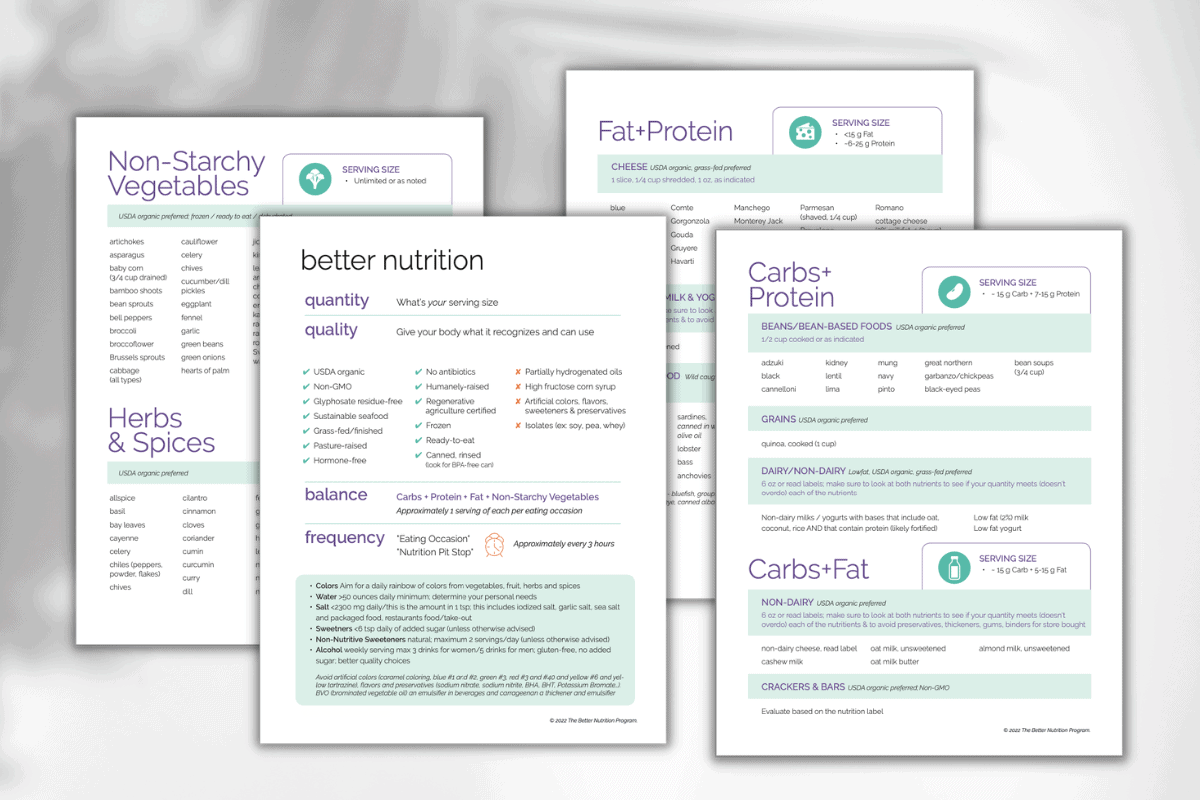
At BNP, we use a 3-point framework to identify better protein snacks:
- Quantity → At least 15g protein per snack.
- Quality → Protein from whole-food sources; if isolates are used, they should be processed cleanly and without junky extras.
- Nutrient Balance → Not just protein on top of sugar or starch. Look for:
- ≤ 30g carbs
- ≥ 5g fiber
- ≤ 20g fat
And don’t forget the Delicious to Me Test — if you don’t enjoy it, you won’t stick with it.
Smart Protein Snack Picks
Here are some practitioner-approved options to hit the 15–30g target while keeping nutrient balance:
- DIY smoothies with nuts/seeds, yogurt, or protein powder.
- Yogurt or oats topped with nut or seed butters.
- Options include eggs or egg bites, cheese, or cottage cheese.
- Tin fish or salmon jerky (with attention to sourcing).
- Plant-forward picks like hemp seeds (hemp pesto!), chickpeas, or quinoa.
- Branded options: Perfect Bars, Simply Fuel balls, Koia, Rebbl, Remedy, Orgain, OWYN, Culina yogurt with collagen, Chomps, Archer or Epoch jerky, Nuttzo, Kirkland, 88 Acres.
What About Tinned Fish and Seafood Snacks?
Huge fan — but quality matters. Here’s the catch:
- Microplastics are now widespread in many wild fish sources.
- Farmed fish isn’t automatically safer — most farms don’t test or disclose results for microplastics, heavy metals, or nutrient ratios.
So what can you do?
- Choose small fatty fish like anchovies and sardines, which tend to be lower in contaminants.
- Trial safer farmed options like Seatopia
- Use tools like the Seafood Watch app to help you find more sustainable, lower-risk options.
The Digestion Factor (Don’t Skip This!)
Here’s the most overlooked piece: if your digestion isn’t working well, more protein won’t help. In fact, it could make symptoms worse. That’s why it’s important to:
- Optimize digestion (stomach acid, enzymes, gut health).
- Balance amino acid intake with whole-food proteins.
- Remember: no food is “just” protein. Fish comes with fats, lentils come with carbs. Always look at the full picture.
The Bottom Line
Protein deserves the spotlight, but the goal isn’t “high.” It’s optimal, balanced, and digestible. Look for snacks that deliver 15–30g protein with quality carbs and fats — and keep digestion top of mind.
Because a better snack isn’t just about protein grams — it’s about fueling your body to thrive.