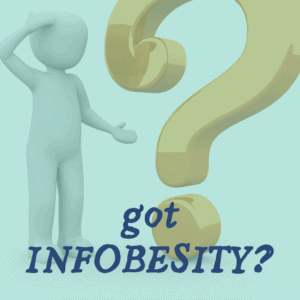
Are you taking in too much information? INFObesity is the disease of too much information. It strikes regardless of health status, profession, age or knowledge.
In this article, you will learn:
- What is INFObesity
- How do we get INFObese
- What makes practitioners INFObese
- How to assess INFObesity
- Resources to address INFObesity by optimizing information gathering & sharing
Why should practitioners care about INFObesity?
INFObesity keeps anyone from better health. When we take in too much information, we feel overwhelmed and can’t distinguish better from not better. Wearables and social media are driving more concerns about excess information than ever before.
The good news? INFObesity is one of the few medical conditions you can self-diagnose and address easily. So there’s no reason to suffer from INFObesity any longer.
STOP RIGHT HERE. ARE ANY OF THESE YOU?
- I am consistently looking for information to help me get and stay healthy
- My patients ask for and I give them loads of information to help them get and stay healthy
- A lot of my time is spent researching and learning about nutrition.
If yes, to any of them, you’ve got or are giving someone else INFObesity.
Taking in too much information is like eating too much fat. While some information is needed, even essential, for our bodies to run better, too much overwhelms, weighs down, and interferes with our body (and mind) running better.
Ashley Koff RD, on INFObesity
What is INFObesity?
Information overload is just like eating too much. It gives you a bellyache, a headache, it drains your energy, and it overwhelms your system. That’s because too much – even of a good thing – is too much. Ask your digestive system how it feels after you eat the whole pint of dairy-free ice cream or you go back for seconds or thirds of the kale caesar with wild salmon. It will tell you – or show you. Bloated, farting, sluggish, stuff going the wrong way. Your digestion isn’t shy.
When it comes to information overload, we typically miss the signals our body is sending us. Frustration, distraction, confusion can lead us to eat something because we got some info saying we need it but then it doesn’t “work” for us or we just grab anything because the info is soooo annoying.
Information is not Insights, and that matters for your health.
Information does not tell us how your body feels about your choices. This info doesn’t decode signals the body is sending. It just tells us what something is or isn’t or what it could do or not do. It is not data that informs a truly personalized plan. And that’s what you need.
Is sugar bad for you? Maybe. That’s just information. When you do the Sweet Taste Bud test and you see that the apple isn’t sweet enough, that’s an insight. That data is actionable for you and your body today.
Are taking in too much nutrition and health information for your body?
An unhealthy INFOload creates decision fatigue. When fatigued, you are more likely to make bad or less good choices, to not make a choice at all, and to stress about your choices.
So your unhealthy INFOload creates more stress. More stress is not better, ever. For starters it turns the body’s focus away from digestion. INFObesity triggers you to waste resources (time, money, effort) on quick fixes or, even worse, to give up.
Here’s how to assess & address INFObesity
In Your Best Shot and with the accompanying bonus resources, get a proven tool for assessing your own and your patients levels of information. We call this the INFOload. It helps you determine quantity, quality and map out a plan to vet sources for what is helpful or not.
What do your results tell you about your INFOload?
After evaluating your sources of information, the exercise has you map them on a “dart board” to see which are bullseye sources and which are not better ones. This clarity is priceless for your health. It is not that you have to give up on your non-bullseye sources. But you likely do not want to invest your resources from just their information.
Ready to Address Your INFObesity?
When an expert clinical nutritionist evaluates your current choices, data and understands the why behind them, you get a truly personalized weight health plan. You also get to cure your INFObesity. That’s what we do at BNP. Wondering if this is what you need? Book time for us to connect in a free live session to discuss.
How do practitioners get INFObesity?
As a business owner and a practitioner want to and you need to know things. In fact, most of us self-identify as “lifelong learners,” right? Learning can take many forms, but the form we tend to gravitate toward is taking in more information. And that is how we as practitioners end up INFObese just like our patients. Are you contributing to you patients INFObesity?
You may have the BEST quality information, you may even know what someone could and should be doing (or stop doing) to help them enjoy better health. But if you are sharing that information, you can be giving them INFObesity. And that is #NotBetter
Here’s what practitioners need to know about INFObesity https://youtu.be/hGvkYZrqIOo
What resources can help you and your patients address INFObesity?
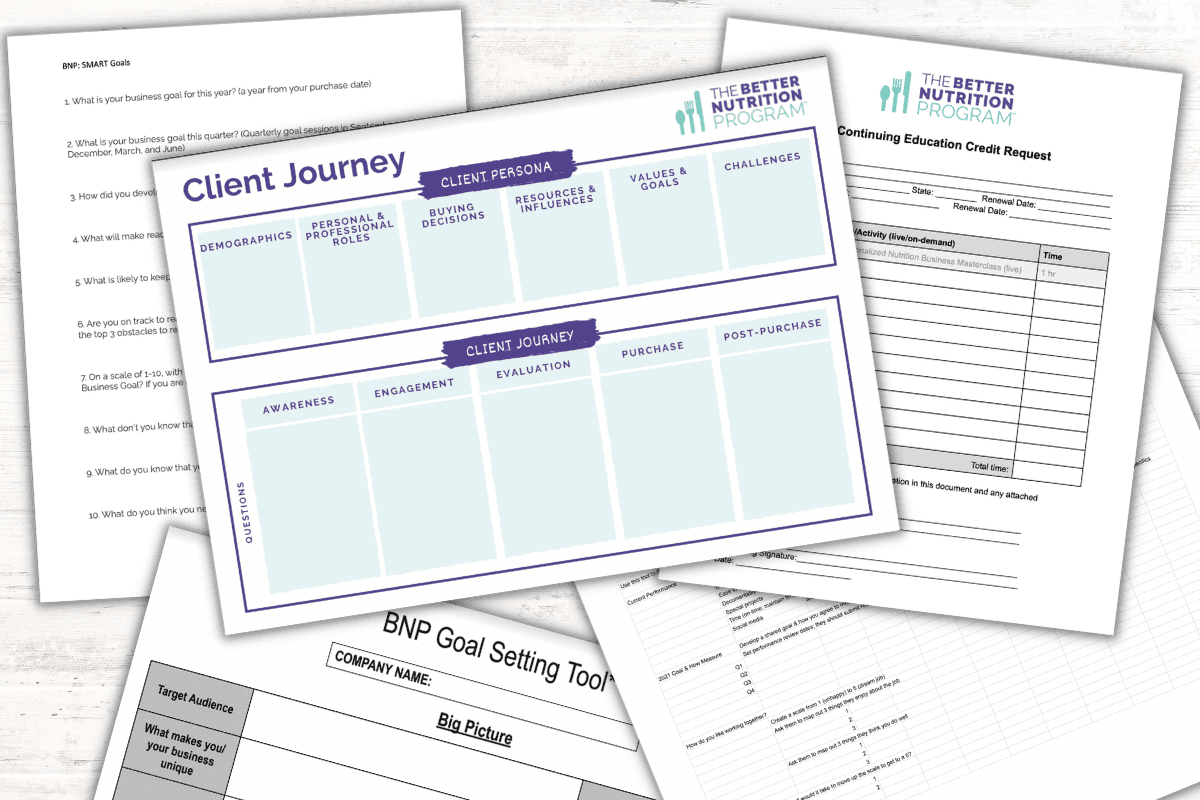
- A better patient/client journey helps you reduce the amount of information you share with them while also reducing your INFOload for your business.
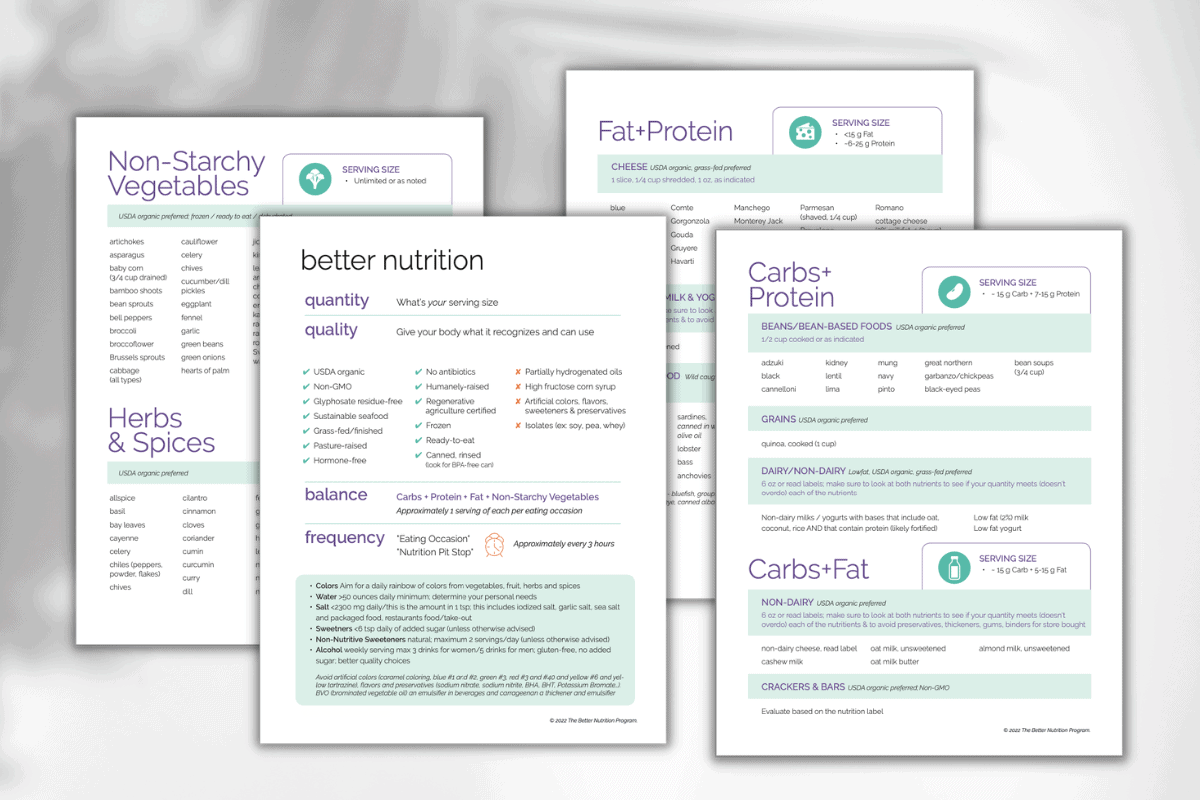
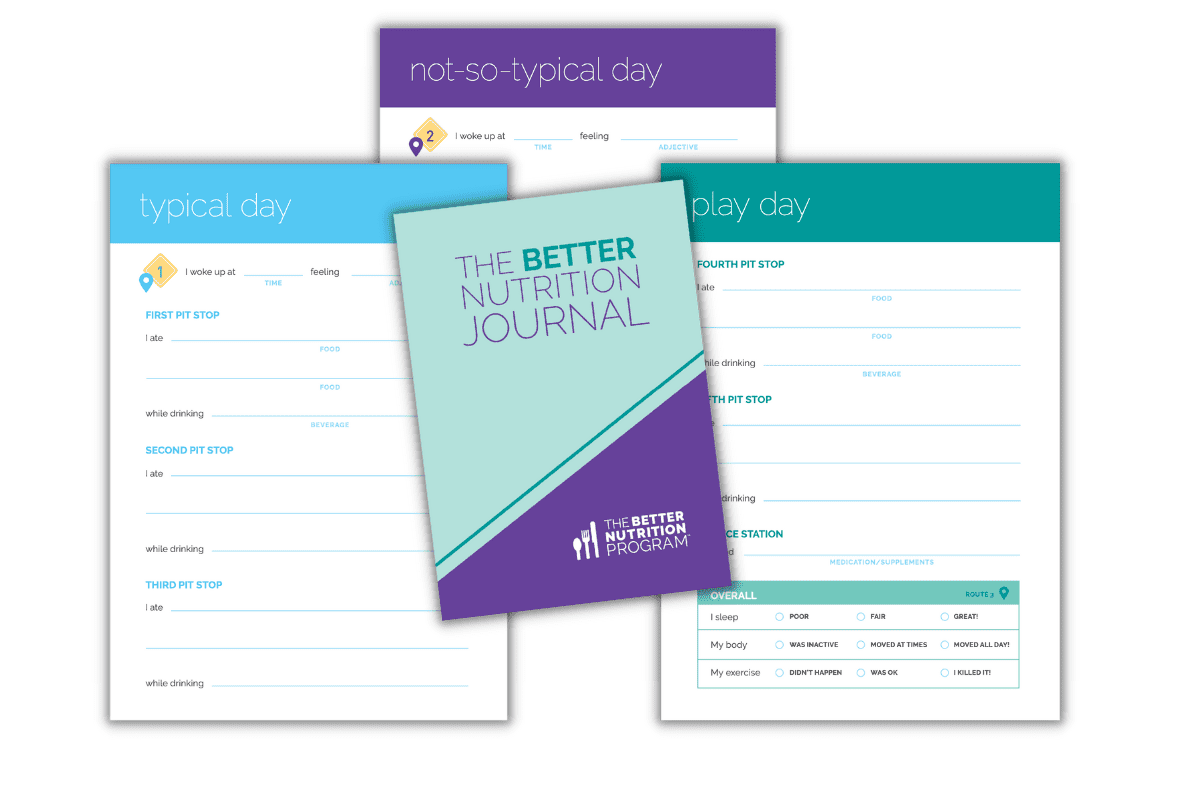
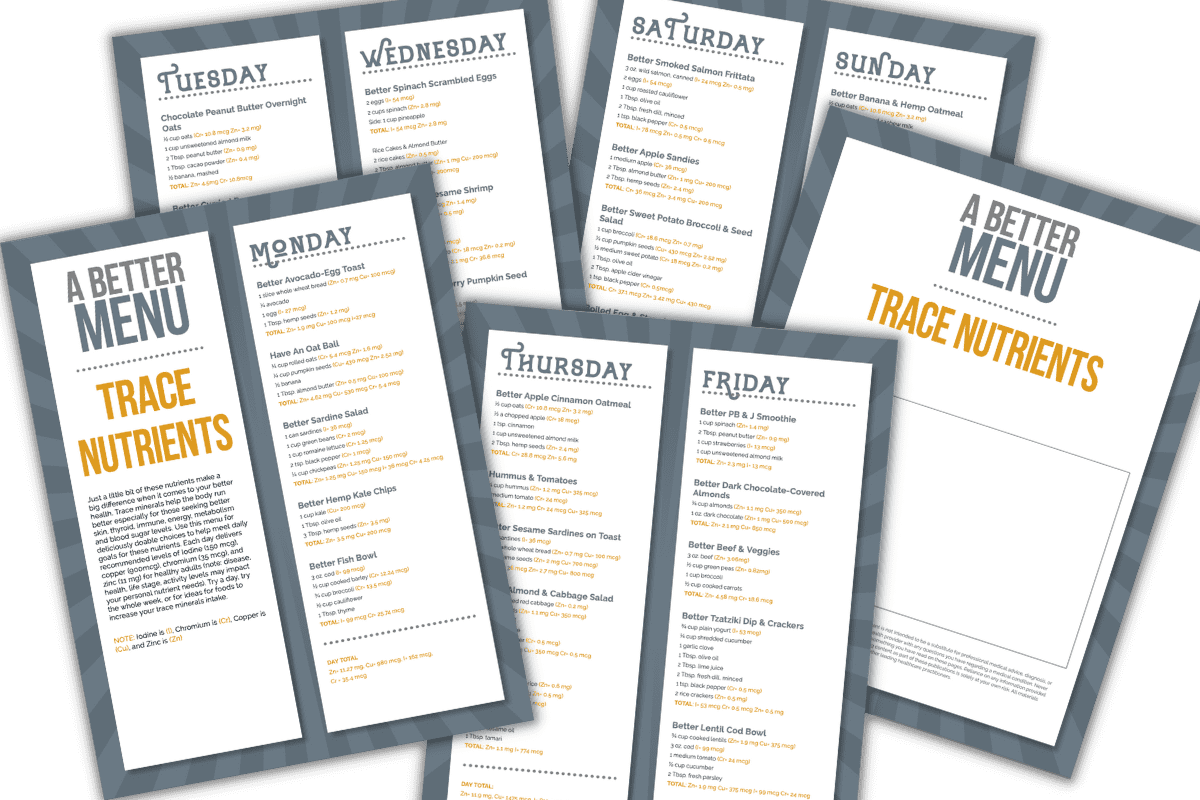
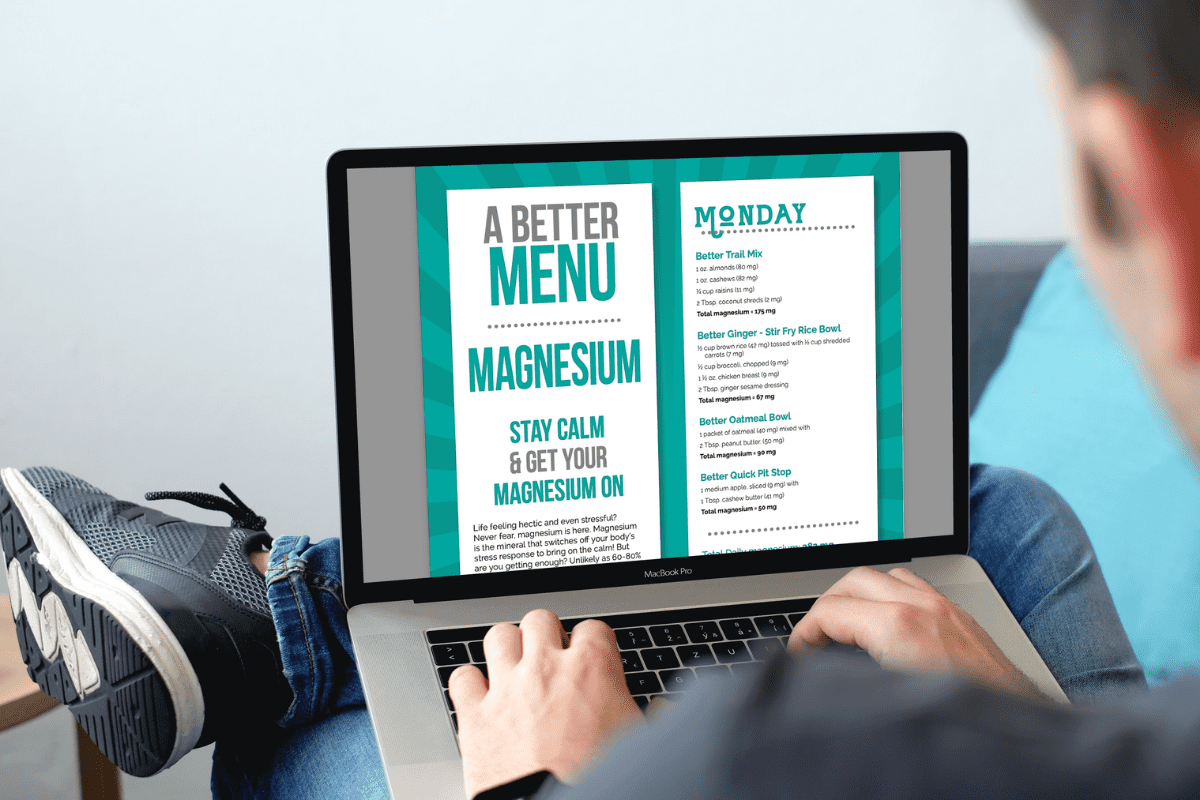
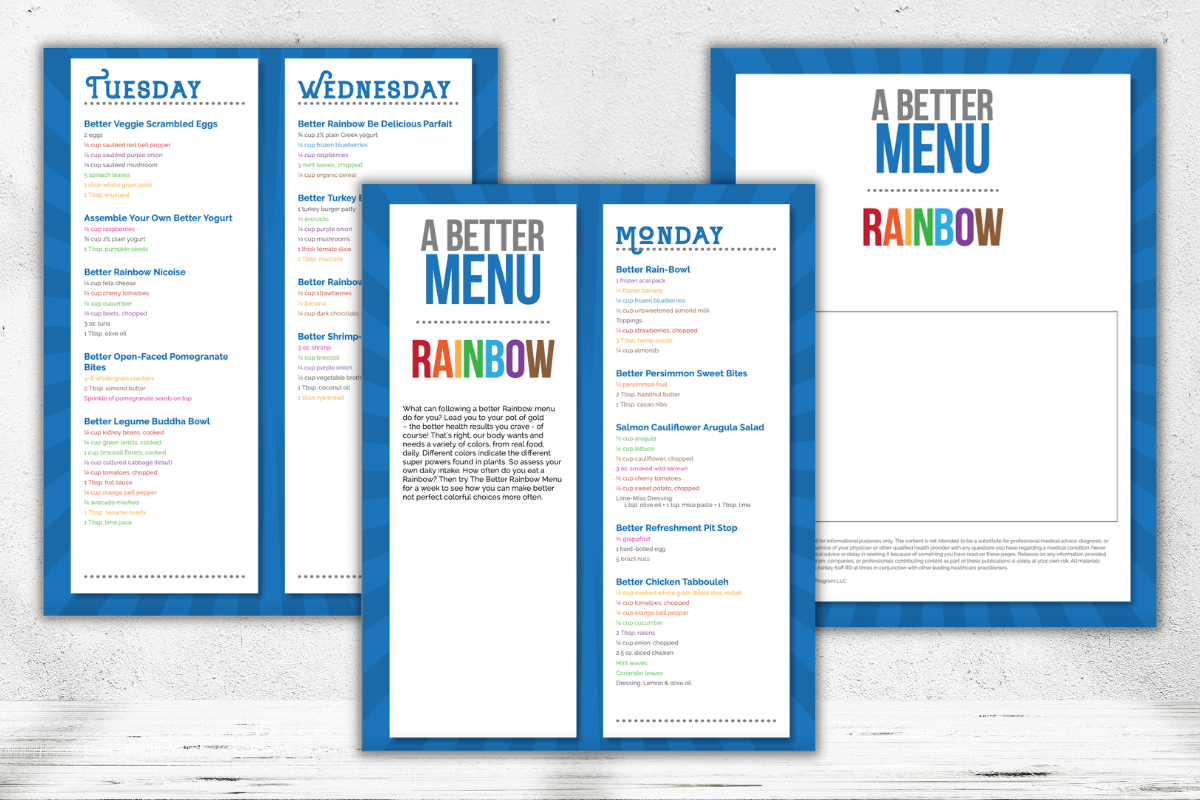
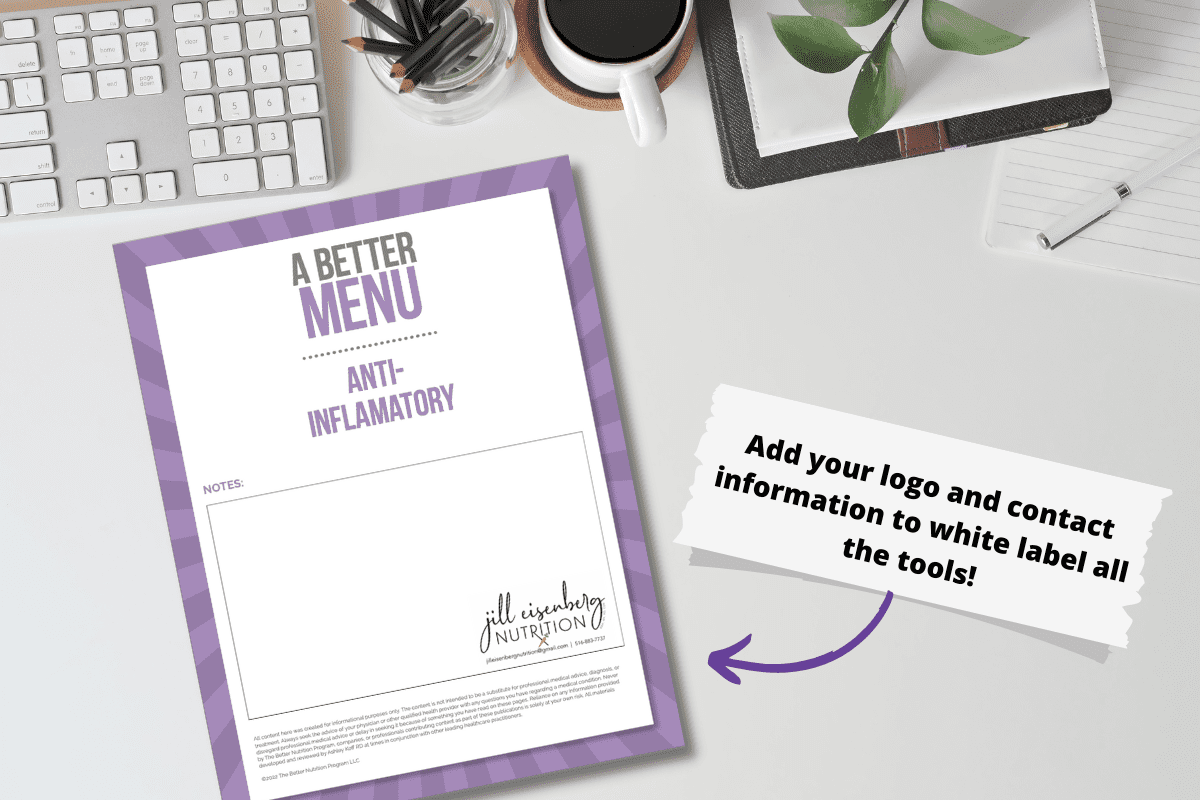
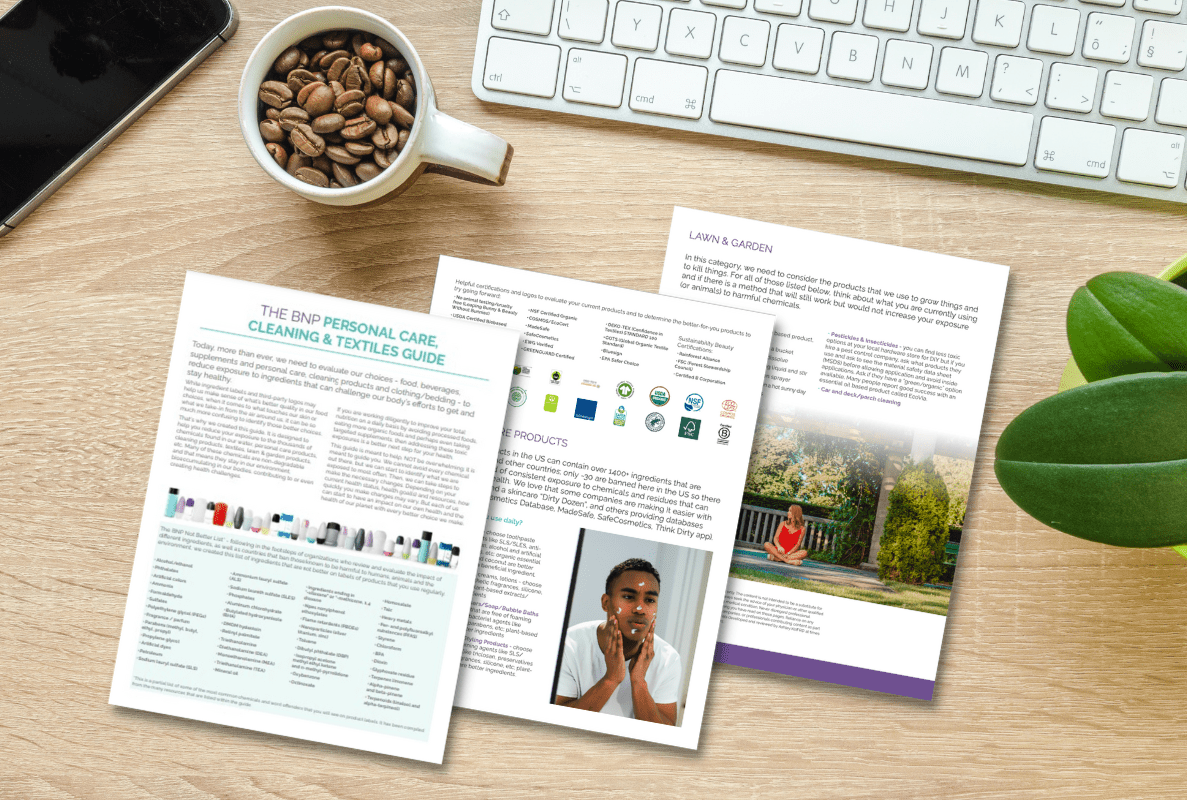
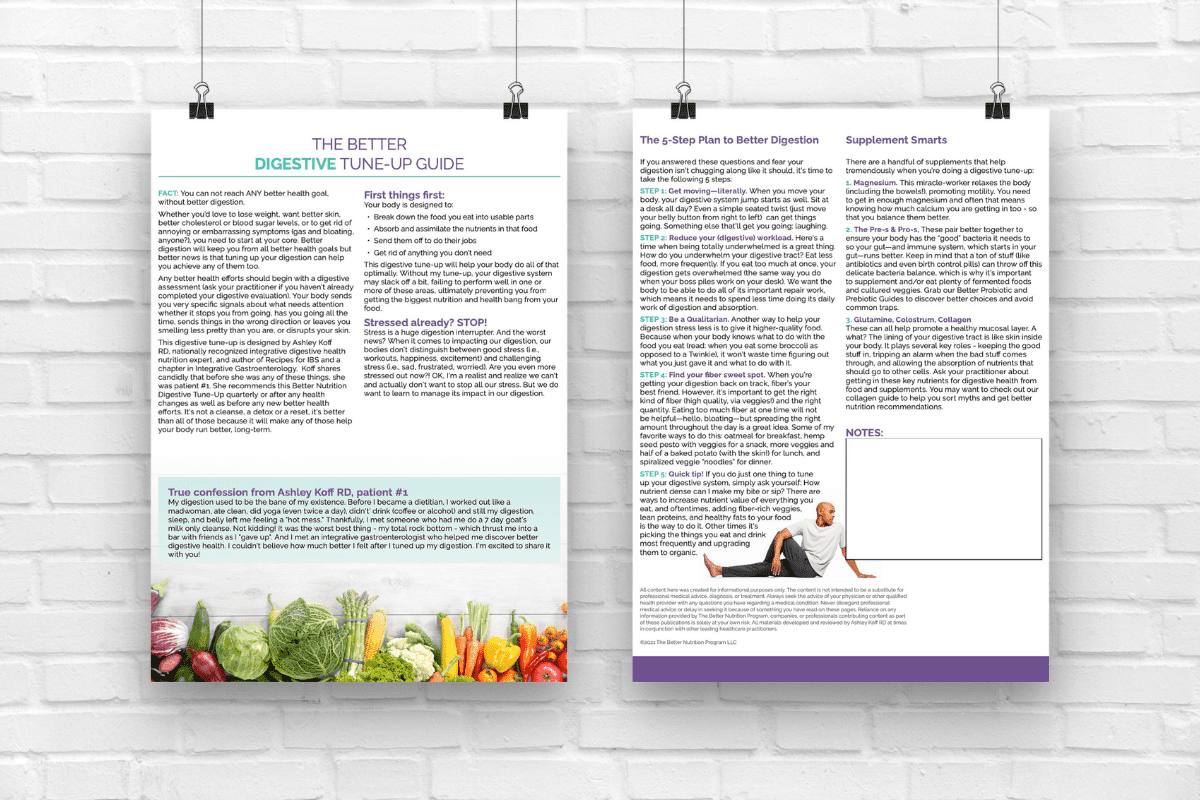
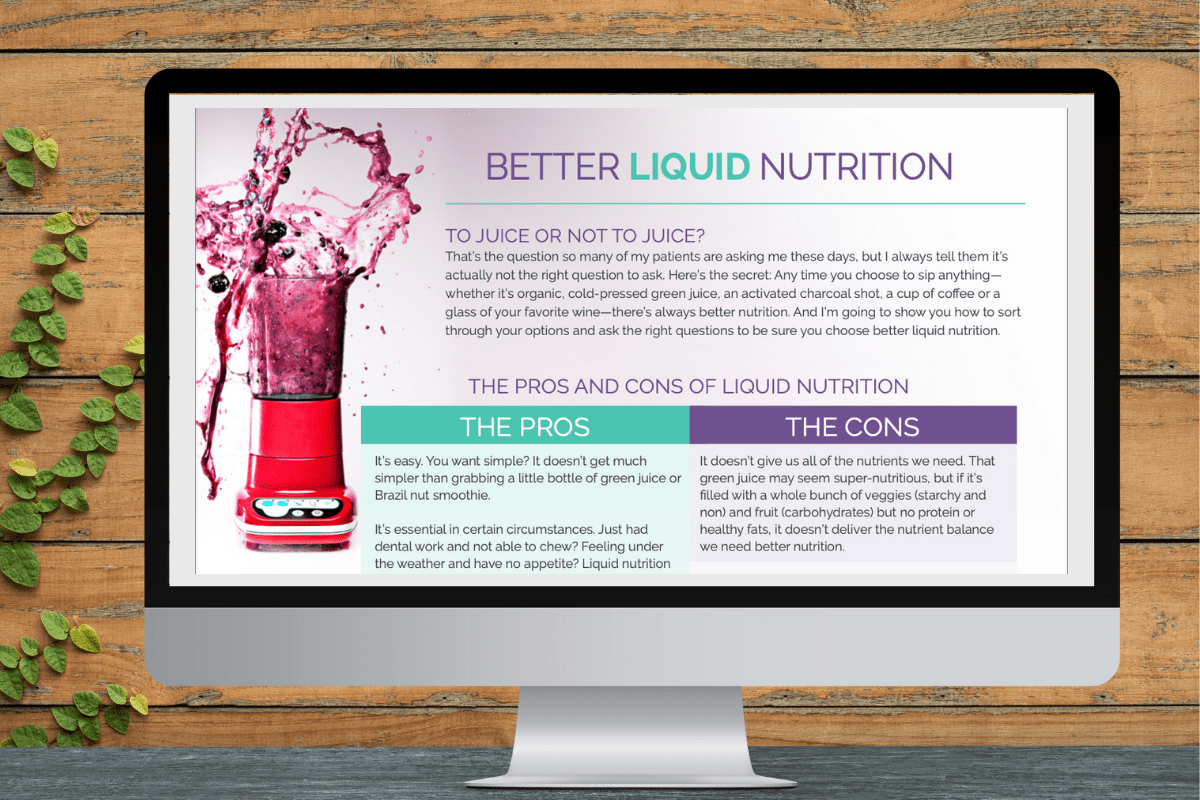
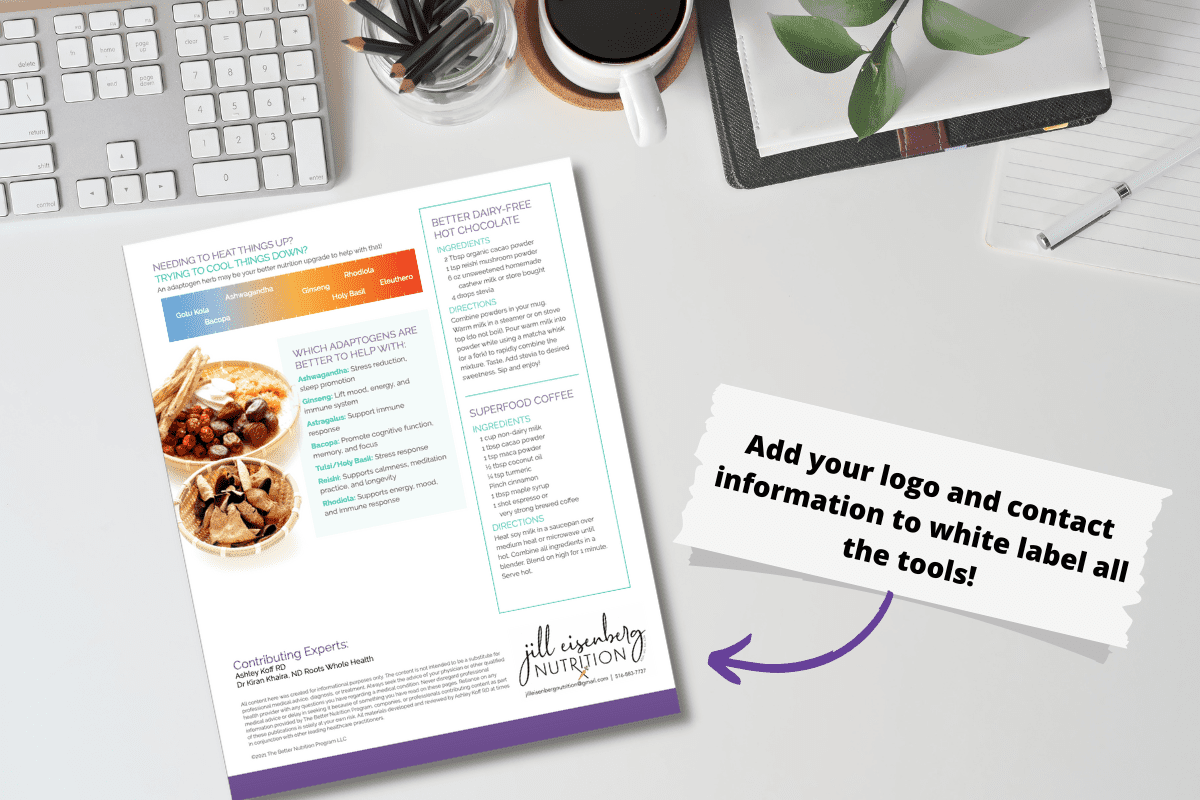
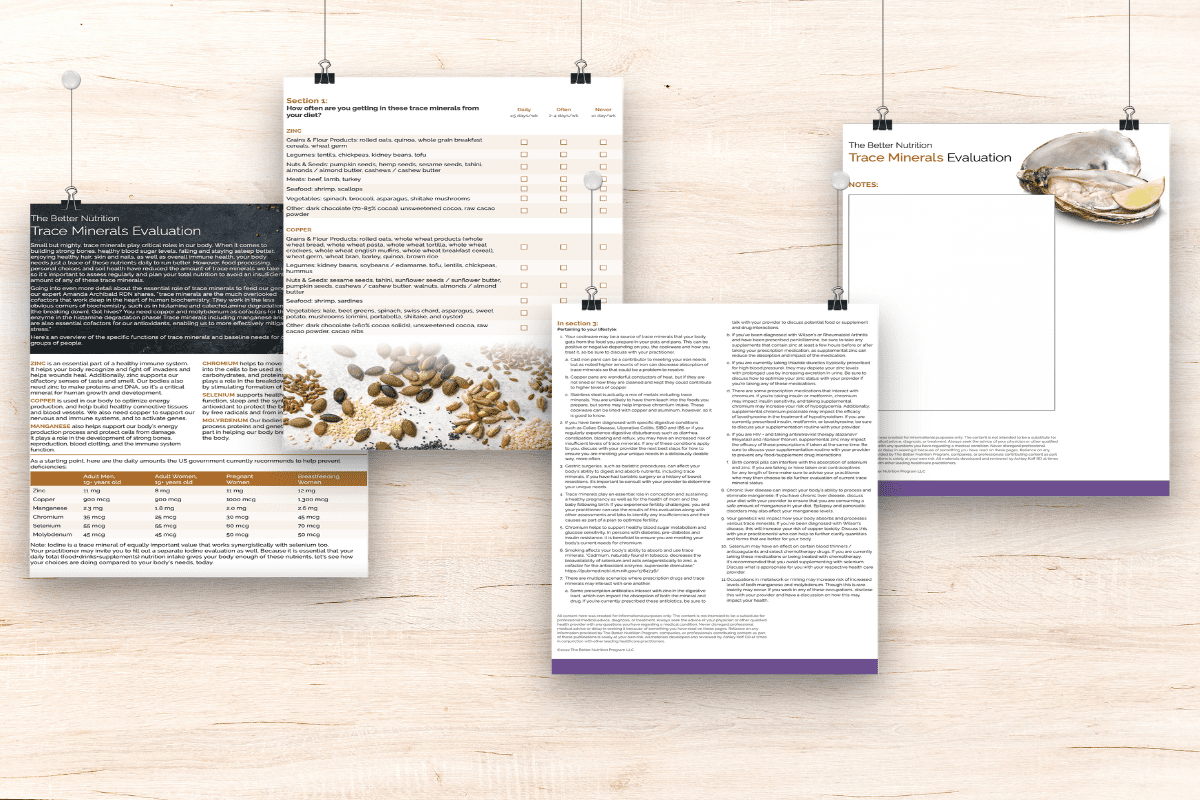
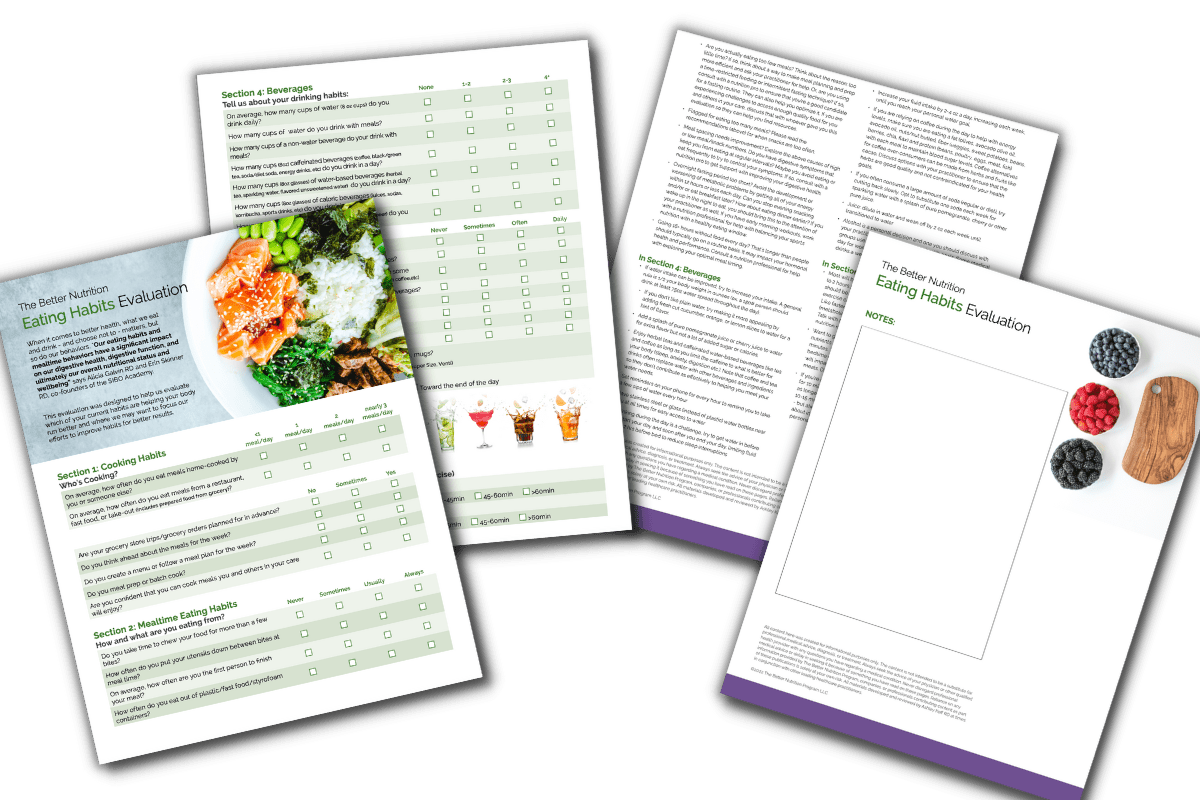
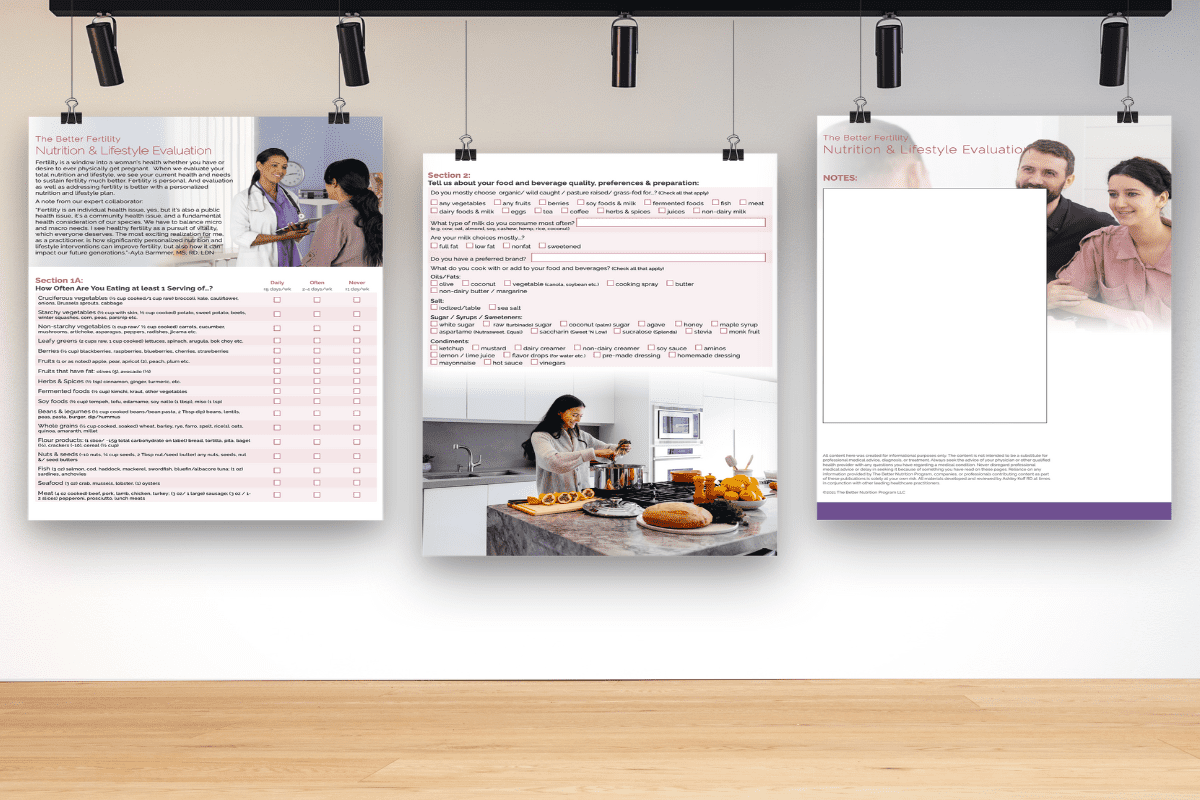
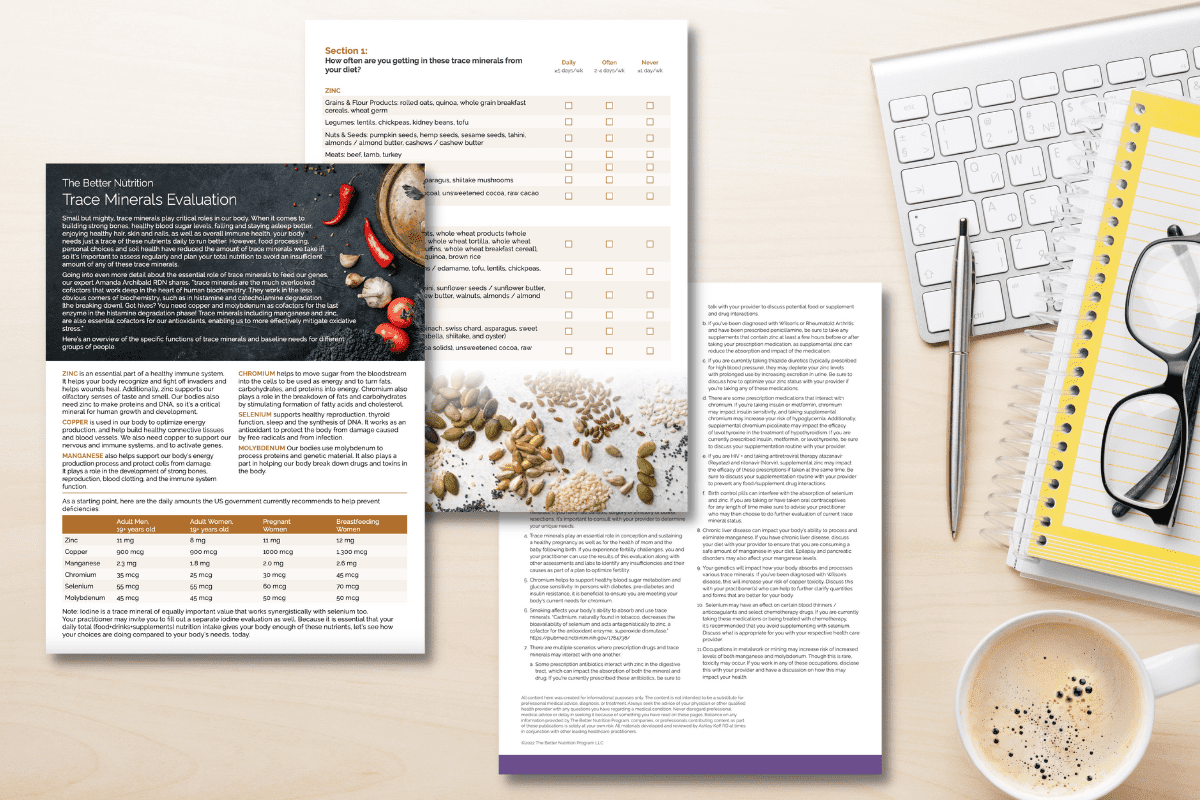
- The over 100+ BNP guides, menus & evaluations in The BNP Toolkit™ help you share more effective information with clients, which reduces their need for INFO searches while also being done-for-you content and expert resources to likewise reduce your INFO needs too.
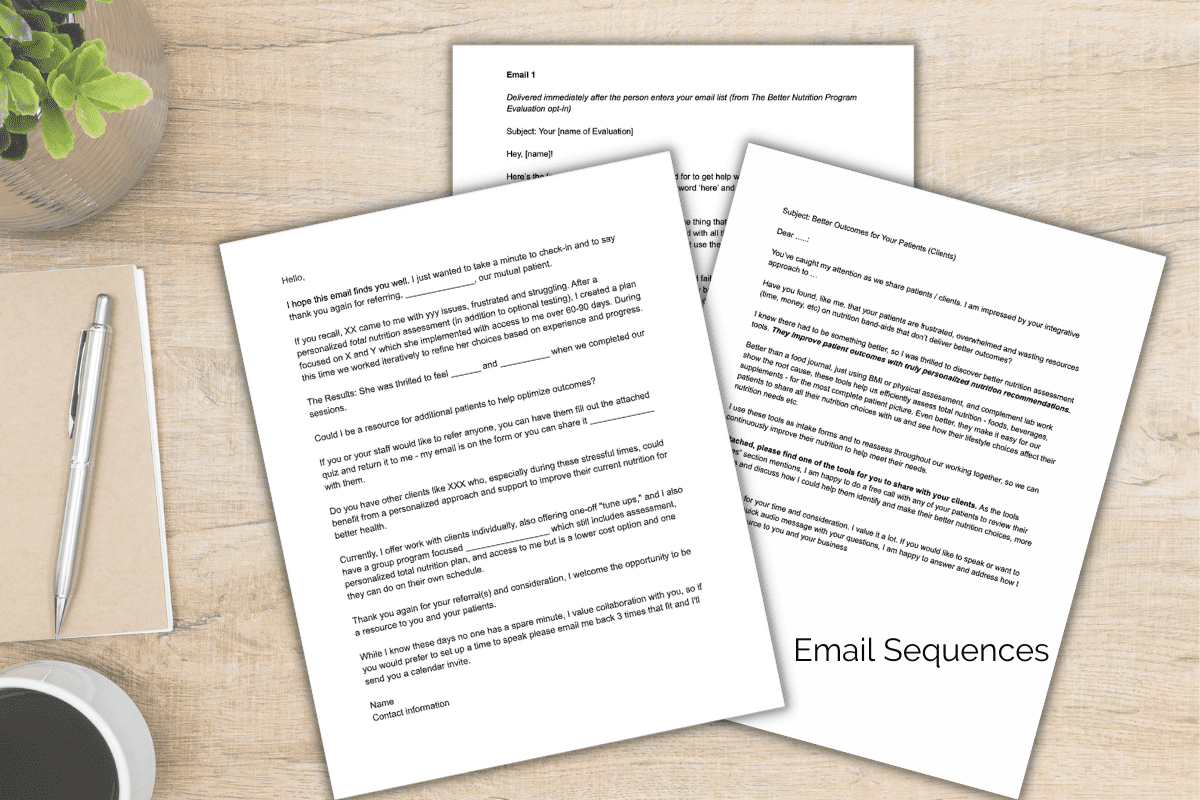
- The BNP programs and protocols in your The BNP Toolkit™ that SHOW clients about total nutrition keeps them and you from searches about different supplements! You also get done-for-you emails and sequences to help you share the information in better amounts.