Yes, you can (and should) reverse prediabetes. When your body signals that it is not managing the sugar in your blood well, that is a warning worth heeding. The good news: your body often sends that signal years before your A1C does. In this article, you will learn how to read those earlier signals and build a plan to optimize your blood sugar that is personalized to your body.
- Why a “prediabetic” range A1C does not mean you are prediabetic; why a “normal” one doesn’t mean you are not prediabetic.
- The better labs and tools that catch blood sugar dysfunction earlier
- How to figure out why your body is not handling blood sugar optimally
- Which foods and supplements help you reverse prediabetes
What Your A1C Can (and Can’t) Tell You
Prediabetes is typically diagnosed with a fasting blood sugar test, a hemoglobin A1C, or both. A1C reflects your average blood sugar over roughly 90 days, and it was a real advancement over a single finger prick. But an average hides the story. It cannot show your spikes and crashes, your afternoon slump, or the fact that your body may be producing extra insulin just to keep that number looking “normal.”
A1C is also measured on your red blood cells, so anything that changes red blood cell health or lifespan can skew it. Iron deficiency, for example, can push A1C up, while other conditions can push it down. That is why in my book, Your Best Shot, A1C as the sole marker of blood sugar function sits at the top of my list of things to unlearn. Relying on it alone has missed millions of people’s earliest signals and pushed others into extreme diets to force the number down.
Better Labs Catch Blood Sugar Dysfunction Earlier
Standard labs are designed to diagnose disease once it is present. Better labs help identify dysfunction earlier (think “early prediabetes”) and give us better insights for a personalized plan. Ask your practitioner about:
- Fasting insulin: the most sensitive early marker of insulin resistance, yet rarely ordered for anyone without type 1 diabetes. If it comes back low, a C-peptide can add context.
- Fasting glucose, A1C and triglycerides: still useful, and more meaningful when read alongside insulin rather than alone.
- A complete iron panel: serum iron, ferritin, TIBC and % saturation, especially if your A1C does not match how you feel.
- Helpful additions: hs-CRP for inflammation, liver markers like ALT and AST, vitamin D, a complete thyroid panel, and an advanced lipid panel.
- If you take metformin, a PPI or oral contraceptives: these can deplete nutrients like B12, folate and magnesium, so B12, methylmalonic acid (MMA), homocysteine and RBC magnesium are worth checking.
One more thing: “within normal range” is not the same as optimal for you. Reference ranges are built on population averages. Where your result falls in the range, and how it has changed over time, often tells us more.
What a Continuous Glucose Monitor (CGM) Can Show You
A CGM measures glucose in the fluid just under your skin every few minutes, day and night, typically for about 14 days per sensor. Instead of one average, you see the full picture:
- Time in Range: how much of your day your blood sugar stays in a better range (the standard target is 70 to 180 mg/dL), and what pushes you outside it.
- Your daily highs and lows: the goal is to move from peaks and valleys to gentle, rolling hills.
- Your personal triggers: when you log your pit stops, sleep, stress, activity and digestion alongside your data, patterns emerge that no single lab can reveal.
- Hormonal shifts: wearing a CGM the week or so before and into your period can show how much hormones influence your numbers.
- What works for you: whether time-restricted eating, a later or earlier dinner, more water or a post-meal walk actually improves your Time in Range.
A caution: a “perfect” CGM day is not your better health goal. Many quick-fix CGM programs have you cut carbs or avoid foods to win the graph, which can leave you short on nutrients and is rarely sustainable. We look for patterns over days and weeks, not single moments, and make choices you can keep.
Knowing the Cause(s) Is Essential to Reverse Prediabetes
Once you know your blood sugar is off, you need to know why your body is not clearing sugar from the blood effectively. There are 40+ factors that affect blood sugar, and food is only a handful of them. Potential triggers include:
- Consuming too much sugar at one time
- Not enough insulin, or insulin that is not working well, for the amount of sugar in your blood
- Insufficient GLP-1 signaling, so insulin responds more slowly
- Insufficient levels of the nutrients your cells need to bring sugar inside
- Suboptimal digestion, so nutrients don’t get where they are most needed
- Poor absorption of water and nutrients into your cells
- Excess inflammation (including from autoimmune conditions)
- Chronic stress and poor sleep, which drive insulin resistance
- Medications that affect blood sugar or deplete nutrients
Build Your Personal Plan: Start by Investigating
A thorough investigation is how you build a truly personalized plan. Rather than ordering every test on day one, the better approach is to combine the right labs with simple experiments that reveal how your body responds, then adjust and repeat. Here are the tools I use:
- Better labs (see above), plus a micronutrient panel when indicated
- Continuous glucose monitor (CGM) with experiments
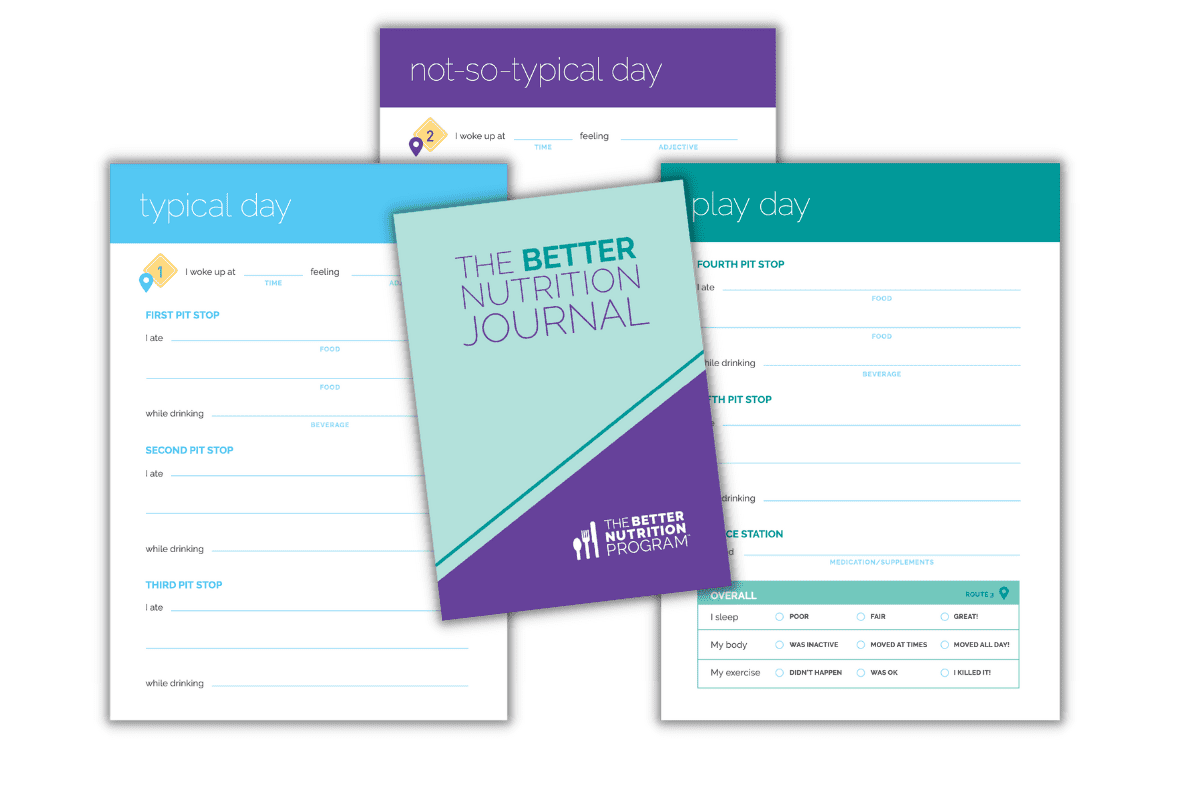
- Nutrition and lifestyle tracking (food, drinks, supplements, sleep, activity, mood)
- A comprehensive digestive assessment
- Stress check-ins throughout the day
- The Hydration Experiment (it’s in Your Best Shot)
- Optional: uric acid, essential fatty acid panel and a fiber evaluation
Why Digestion and Hydration Are Critical
You are not what you eat; you are what you digest and absorb. Optimal digestion and hydration help your body get the nutrients it needs to manage blood sugar. (Hydration is not just water into the body; it is water bringing nutrients into your cells, and enough water being in all the places it is needed). The cells lining your digestive tract also make your weight-health hormones, GLP-1 and GIP, which help regulate appetite and insulin release, and part of their signaling travels through the gut-brain connection that modern life loves to disrupt. If digestion and hydration are off, your body won’t have what it needs to reverse prediabetes.
What Foods Help Reverse Prediabetes?
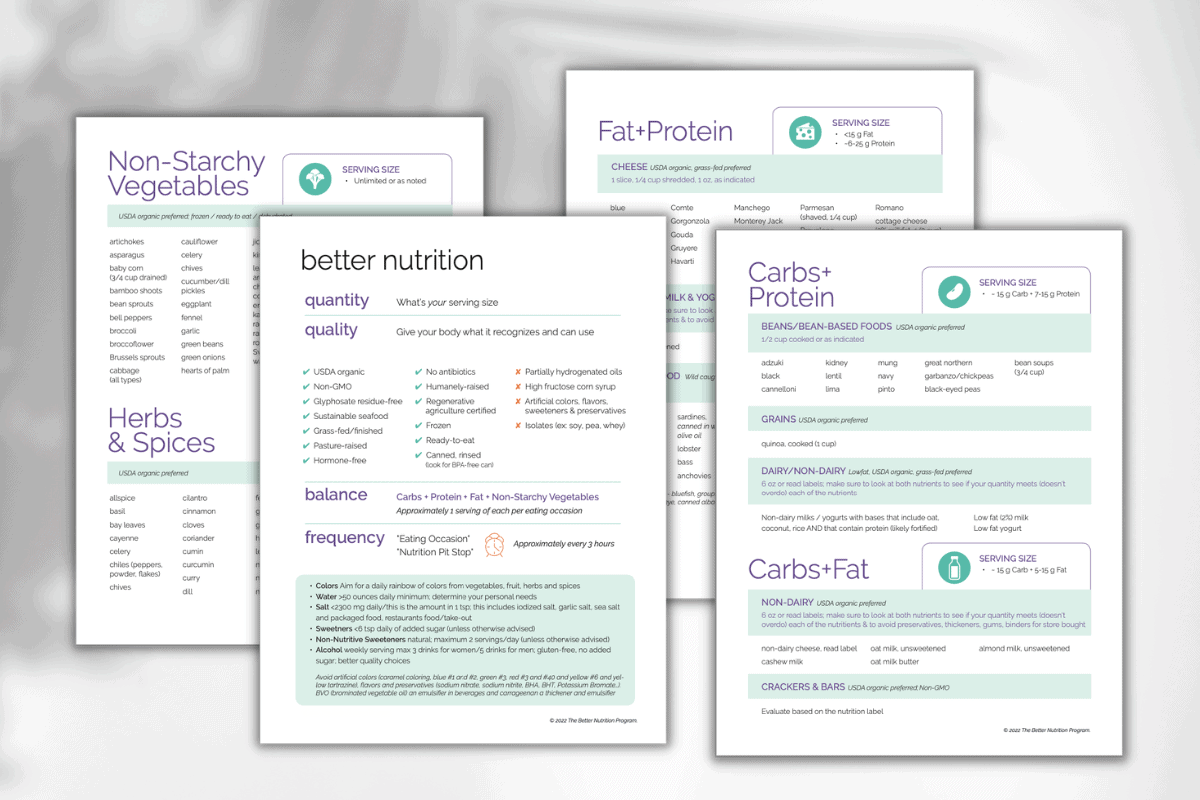
Once digestion and hydration are supported, focus on the nutrients that help your body make and respond to the hormones that manage blood sugar. I use four pillars of better nutrition:
- Quality: foods your body recognizes and can use easily.
- Quantity: enough, without overloading your body at one time.
- Nutrient balance: pairing carbs with protein, healthy fats, fiberS and non-starchy veggies slows the pace at which sugar arrives so your body can manage the load, and helps you feel satisfied.
- Timing: giving your body nutrition when it needs it, and not too often.
Think of your body like a race car that makes pit stops, not a street car that fills up once and runs to empty. Watch this video to learn more about supporting your body’s own GLP-1 production with nutrition.
What Supplements Help Reverse Prediabetes?
There are three reasons to take a supplement: to fill gaps in your food choices, to correct deficiencies or insufficiencies found through labs and assessment, and for therapeutic reasons (like a medication). Supplements are an investment, and their only job is to improve your health. So before you start one, have a plan to see whether it is working, and adjust as your health changes. Your supplements should be evaluated together with your food, since total nutrition is what your body actually receives.
What About Stress, Sleep and Exercise?
Stress, exercise, sleep, recovery, mood, medications and even your genetics all affect blood sugar, so they belong in your plan. Being active after a pit stop can help your body use sugar better than staying sedentary. Poor sleep can have your body calling for quick energy all day, affecting both your levels and your choices. And if a medication makes it harder to absorb nutrients, you need to know so those insufficiencies don’t affect your blood sugar.
Your Next Step
Don’t let one “average” number make you feel good, or bad, about your blood sugar. Decode your body’s signals instead. Choose the path that fits you:
- Get personalized guidance now: Start your free trial of The Weight Health Nutritionist™, my private, HIPAA-compliant AI built on the protocols behind 25 years of my patients’ successes.
- Do it yourself: Your Best Shot is the playbook, and it includes access to my free Weight Health Community and monthly live sessions.
- Work with me directly: my private practice is very small. Book a free 15-minute chat to see if it’s a fit, or to get a demo of The Weight Health Nutritionist™.
This article is for informational purposes only and is not a substitute for professional medical advice, diagnosis or treatment. Always talk with your healthcare provider about your labs, medications and any changes to your care.