Constipation is one of the most common side effects people report on GLP-1 medications like semaglutide (Ozempic, Wegovy) and tirzepatide (Mounjaro, Zepbound). Most advice stops at “eat more fiber and drink more water.” In my practice, that advice often makes things worse, because it skips the most important step: finding the root cause.
Here’s how I approach GLP-1 constipation with patients, what typically drives it, and the strategies that help most. (In my national bestseller, Your Best Shot, you’ll find experiments to discover what’s specifically right for your body, shot or not.)
“‘I’m constipated, so I should increase or decrease X’ skips the most important step. Assessment must come first.”
GLP-1 Constipation: Quick Summary
Why Do GLP-1 Medications Cause Constipation?
Were you constipated before starting? A GLP-1 can make it worse, and it can also cause it. Here are the two reasons.
First, GLP-1 medications slow gastric emptying by design. That’s part of how they work, and it directly affects motility.
Second, what you eat and take may change. When food changes in type or amount, it has ripple effects:
- Fewer fiberS: eating patterns that reduce fibers often to emphasize animal protein can limit the “weight” your digestive muscles lift to keep things moving.
- Less water and fewer electrolytes: fiber can get “stuck” and motility doesn’t get nourished.
- Less magnesium (one electrolyte): a key motility aid found mostly in non-starchy vegetables and carbohydrates, plus cacao, nuts, and seeds.
- Less vitamin C: another nutrient that plays a role in motility.
- New supplements: extra calcium or iron can work against motility.
That’s why I evaluate total nutrition, food and supplements together, rather than either one on its own. Curious how these medications work in the first place? Read what GLP-1 and GIP hormones have to do with body weight.
Could Constipation Be a Dose Signal?
Sometimes constipation is a sign that your current dose isn’t the right fit for your body at this point in time. That’s worth discussing with your prescriber, who will want to look at the bigger picture, including:
- How suppressed your appetite and hunger are
- Your fat loss, along with changes in muscle and bone
- Your blood sugar, or whichever outcomes are the intended goals of your medication
- Other symptoms, such as headaches, sleep disturbances, or fatigue
- Your nutrient levels
Don’t change your dose on your own. Bring your symptoms, and what you’ve already tried, to that conversation.
Step 1: Find the Root Cause
The same symptom can need a completely different plan:
- If fiberS are too low, we increase them.
- If magnesium is suboptimal, from low intake or high calcium, we optimize the balance.
- If iron supplementation is the issue, we may reduce it, change sources, trial food options, or add vitamin C.
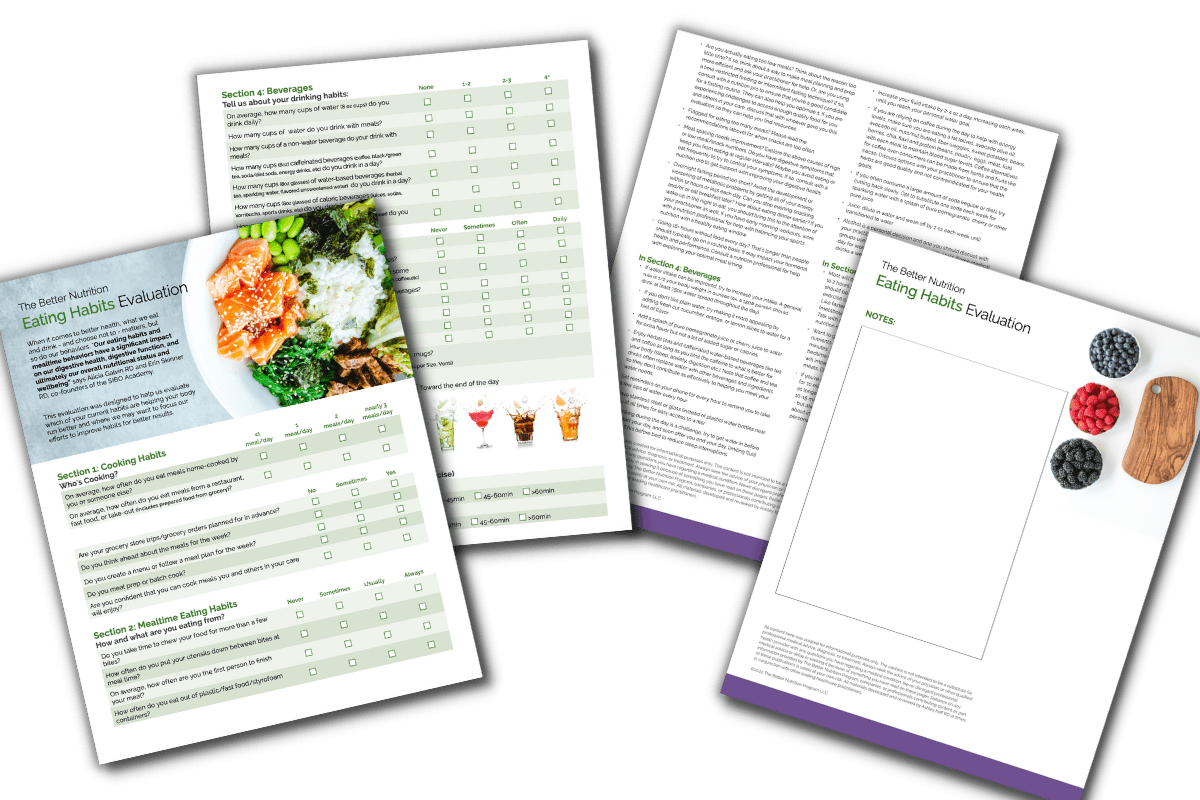
One thing that holds for almost everyone: don’t let a quieter appetite turn into skipped pit stops. A pit stop is my term for anytime you give your body nutrition, meal or snack, food or liquid. On a GLP-1, pit stops can be smaller or in liquid form, but they shouldn’t be less frequent. Aim for one about every three hours across a 10 to 12 hour window, each with some fiberS and 8 to 12 ounces of water.
Download Ashley’s Top 5 Weight Health Tips
How Much Fiber on a GLP-1, and When?
KEY POINT: More fiber all at once is never better, especially when your gut is already slow.
I target 7 grams or more of fiberS at each pit stop, from a mix of sources. But timing matters, including where you are in your medication cycle. For many people, gastric delay is worse the first day or two after an injection, or the morning of a pill. On those days, focus on non-fiber motility strategies; adding fiber when motility is significantly challenged can make things worse.
Build gradually over about 4 to 6 weeks: add fiberS to one pit stop, hold for a week, then add to the next, increasing water as you go.
Easy, low-volume fiber sources when appetite is low:
- Raspberries: about 8 grams per cup (try them with cacao nibs for magnesium)
- Lentils, beans, or chickpeas: about 7 grams per ½ cup, plus protein
- Pear with skin or half an avocado: about 5 grams each
- Chia or basil seeds: about 4 to 5 grams per tablespoon (soak them and drink extra water)
- Two kiwis: about 4 to 5 grams, with good research for constipation
- Raw oats soaked overnight: about 4 grams per ½ cup
- Frozen cauliflower blended into a smoothie: you won’t taste it, and it adds potassium
Hemp seeds are a great add for magnesium, protein, and healthy fats. Watch packaged foods “fortified” with inulin or chicory root, which can worsen gas and bloating when motility is slow.
Hydration on a GLP-1: Hose or Sponge?
Hydration isn’t the act of drinking water. It’s when your body has the water it needs in all the places it needs it, including your colon. A hose lets water run straight through; a sponge absorbs it and puts it to work. Electrolyte minerals, especially magnesium and potassium, help water reach your cells.
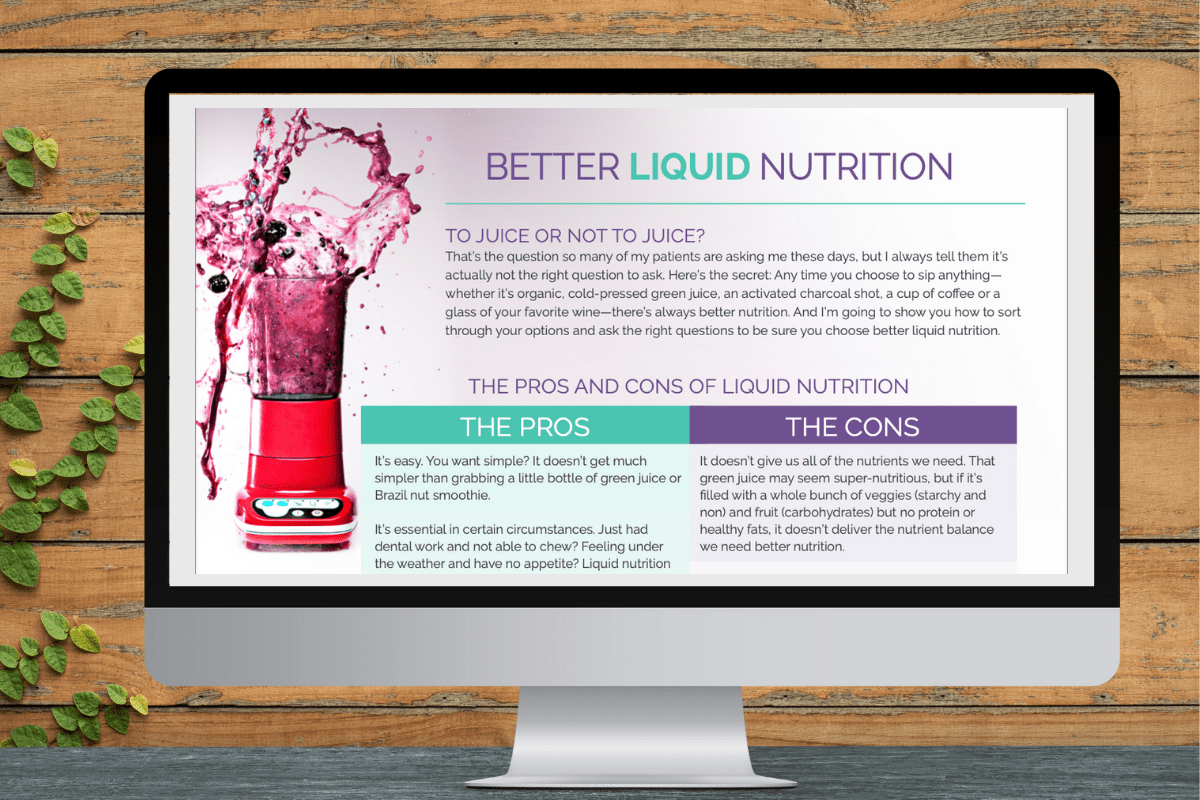
As a base, start with 40 ounces of plain water a day, spread into 8 to 12 ounce servings at your pit stops. More may be better depending on your size, activity, and health. Plain or unsweetened sparkling water counts; coffee, tea, and sweetened “hydration” drinks actually detract from hydration. Here’s how to assess and optimize hydration.
Movement, Routine, and Gravity
- Move your middle: a 5 to 10 minute walk after a pit stop helps, and mid-section movement (twisting, stretching) after pit stops and on waking is essential.
- Build a routine: water and gentle stretches on waking, before coffee, plus unrushed bathroom time. Slow breaths with a longer exhale help your body shift into rest-and-digest.
- Use gravity: a footstool (or a stack of books) that raises your knees above your hips straightens the path out.
What to Look for in Supplements and Tools
- Fiber supplement: a blend of soluble and insoluble fiberS, adjusted for tolerance (and for SIBO or intolerances). Skip stimulant herbs like senna, cascara, or licorice root, sweeteners, and inulin-heavy formulas. Start with half a dose, take it with a full glass of water, and keep it at least two hours from oral medications and mineral supplements.
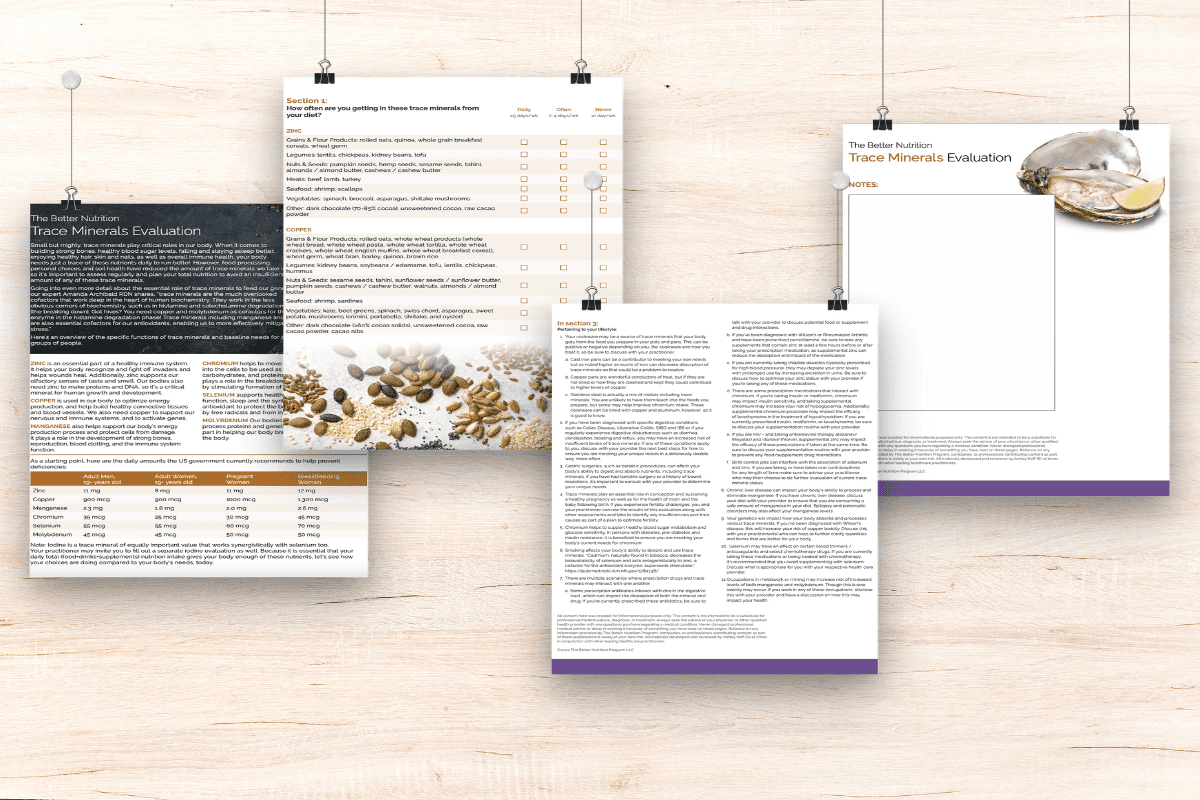
- Magnesium: a well-absorbed form rather than magnesium oxide; check total calcium too. Ask your practitioner about dose, especially with kidney concerns.
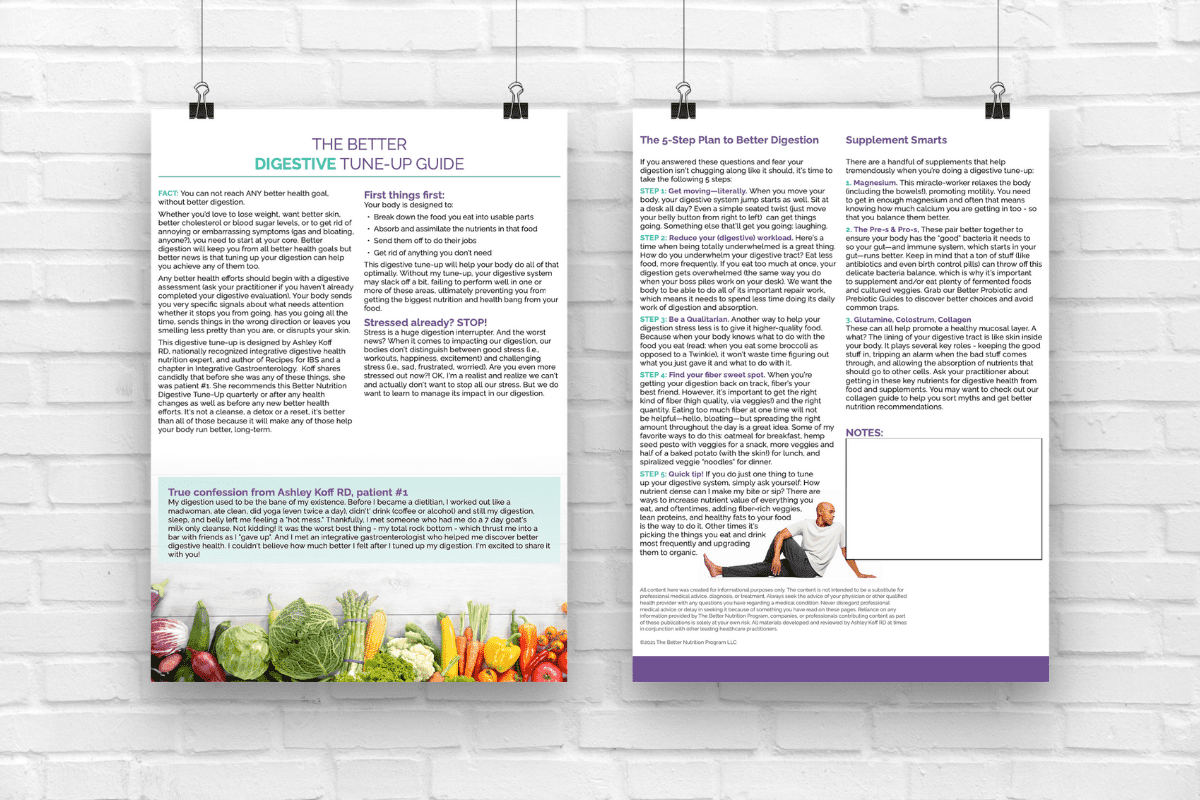
- Digestive Tune Up: probiotics plus the fiberS and polyphenols that feed them, glutamine, and digestive enzymes (especially for FODMAPs if bloating is a concern).
- Balanced electrolyte: magnesium and potassium in absorbable forms, a reasonable amount of sodium, ideally no sweeteners.
- Water bottle and footstool: glass or stainless steel with ounce markings, and a toilet footstool for gravity.
How Long Until You Get Relief?
Hydration, magnesium, movement, and a footstool often help almost immediately and should make a difference within a few days to a week. If they don’t, a different root cause is likely being missed. Building fiberS, probiotics, glutamine, and vitamin C optimization depend on your starting point, and deeper digestive issues can take a few weeks or longer. Run your experiments and reassess at 30 days.
WHEN TO CALL YOUR PRESCRIBER: no bowel movement in several days, severe abdominal pain, vomiting, bloating that keeps getting worse, or blood in your stool. Don’t wait it out.
If you’re ready to find what’s driving your digestion, start with Ashley’s Top 5 Weight Health Tips. It’s a free download, and it also gives you access to her private community and monthly live sessions.
Frequently Asked Questions About GLP-1 Constipation
Is constipation a common side effect of Ozempic, Wegovy, Mounjaro, or Zepbound?
Yes. GLP-1 medications slow gastric emptying, and changes in food, fiber, water, and supplement intake often add to it. Addressing the root cause usually brings relief.
Should I eat more fiber if I’m constipated on a GLP-1?
Not automatically. Fiber helps when intake is low, but adding a lot at once, or on days when gastric delay is worst, can make constipation worse. Build fiberS gradually, alongside water.
Can supplements cause constipation on a GLP-1?
They can. Extra calcium and iron are common culprits. Review your total nutrition, food and supplements together, with your practitioner before making changes.
Does magnesium help GLP-1 constipation?
Magnesium supports motility and balances calcium, which works against it. A well-absorbed form, at a dose your practitioner confirms, is often part of the plan.
Can constipation mean my GLP-1 dose needs adjusting?
It can. Constipation may signal that your current dose isn’t the right fit for your body right now. Your prescriber will weigh it alongside your appetite and hunger, fat, muscle and bone changes, blood sugar or other goals, symptoms like headaches, sleep disturbances or fatigue, and your nutrient levels.
This article is for education and isn’t a substitute for personalized medical advice. Talk with your prescriber before changing your medication, supplements, or care plan.
About the Author
Ashley Koff RD, The Weight Health Nutritionist™, is a registered dietitian with 25 years of clinical experience and one of the country’s leading weight health experts. She is the national bestselling author of Your Best Shot. Her work focuses on personalized nutrition, gut microbiome optimization, GLP-1 wellness, and helping individuals achieve lasting weight health through approaches tailored to how their specific body functions. She also trained a private AI, The Weight Health Nutritionist™, so anyone can get help personalizing their weight health.