“Should I go on a GLP-1?” It’s the question we are all hearing. And now that there are so many different types of medications, ways to access them, and considerations a practitioner or coach really needs to be up-to-date on a lot in order to support their patients.
That’s why I created this certification and community. After 20-something years studying and optimizing GLP-1 and the body’s other weight-health hormones, I wanted to make it easier for my colleagues and our patients and clients. I also knew that with a trusted standard, the media and healthcare organizations could feel more confident helping people cut through the marketing overwhelm for more responsible care advice and recommendations.
GLP-1 Is a Hormone Before It’s a Prescription
Every one of your patients makes GLP-1. Along with GIP, PYY, CCK, GLP-2 and Amylin (yup it’s a lot!), GLP-1 is just one of the weight-health hormones that helps direct appetite, blood sugar, bone, muscle, fat, water and the efficiency with which the body sends resources to where they are needed.
Semaglutide, tirzepatide and the newer medications are synthetic versions designed to act on these same pathways. But they have a major distinction: they last for 24 hours or 24 hours x 7 days whereas our own last minutes. And with that comes the Pros and Considerations for each patient that needs to be assessed initially and ongoing.
This is the lens through which I developed the curriculum for the GLP-1 Optimizer™ certification.
I first “met” these hormones in 2004 while supporting bariatric surgery patients, and the medications in 2005. What I saw then still shapes my work today: when a body is optimally resourced, and hormones work by design, a person enjoys weight health. When these hormones are challenged they will struggle with all aspects of weight health regardless of diet and exercise.
Knowing that the body is designed with weight-health hormones should be the final nail in the coffin on the weight loss, diet and exercise approach.
Weight Health, Not Weight Loss
Weight is a number on a scale. It carries no health relevance. Weight loss is an umbrella term under which is hair, bone, muscle, energy, hormone function, resources, empowerment and yes fat. All of these save the last are not ones we want to intentionally lose.
Weight health is how well the body works: digestion, hydration, blood sugar, muscle, energy, and the hormone signals that tie them all together. And it’s something every patient requires for optimal health, whether or not they ever fill a GLP-1 prescription.
Right now, your patients likely fall into one of four groups:
- On a GLP-1 medication and wanting to protect muscle and bone, manage side effects and get the most from it
- Considering one and unsure whether it’s right for them
- Coming off one and worried about what happens next
- Choosing not to take one and still wanting their own GLP-1 working at its best
That’s four very different conversations. Within them, there are subsets too for example I write here about “why” someone is coming off a GLP-1 medication as the single most important factor (the one the research has yet to evaluate or distinguish in its findings) to their outcomes.
A System You Can Use With Every Patient
GLP-1 Optimization™ is the 4-phase system I’ve refined over two decades of patient care. It gives you a clear way to:
- Assess where weight health hormone function is suboptimal, and why
- Designate the phase each patient is in right now
- Build personalized protocols across nutrition, supplementation, medication and lifestyle, designed for this person rather than a population average
Because it starts with the body’s own hormones, it doesn’t depend on which medication is trending this quarter. It works whether your patient is on semaglutide, tirzepatide, a new oral option or nothing at all.
What You’ll Learn in the GLP-1 Certification
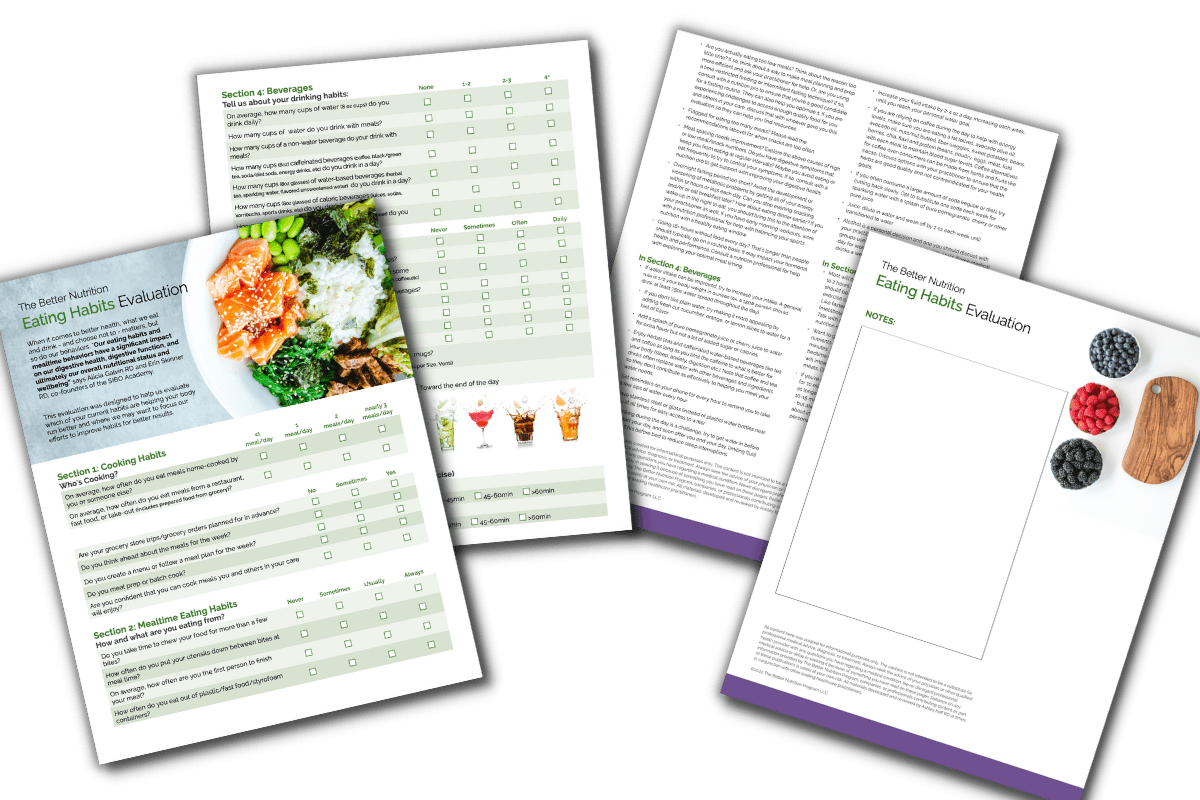
The GLP-1 Optimizer™ Certification teaches you to put the system into practice. Five self-paced modules cover weight health hormones, assessment, personalized recommendations, medication and supplement strategies, and business growth, followed by a certification exam. Registered dietitians earn 12.25 CPEUs, and you’ll get handouts and client-facing tools you can add your logo to.
Why I Didn’t Want You Doing This Alone
Here’s what training hundreds of practitioners has taught me: the course is where you learn the system, but the real questions show up on a Tuesday afternoon with a patient in front of you. That’s why certification includes our community, where you can bring a case, brainstorm with Keri Glassman, MS, RD, CDN, me and other certified practitioners and coaches, and talk business too.
Every quarter, Keri and I host a live session on what happened in the news, what’s coming next and how to factor it into your plan for the quarter, with plenty of time for your questions. In a field that changes this fast, that may be the most valuable part.
Who It’s For
Licensed practitioners (MD, DO, NP, PA, RD, PharmD, ND, CNS and DC) and certified health and nutrition coaches. Certification is distinct for each, so everyone works within their scope of practice.
Make Weight Health Your Standard of Care
My mission is to make weight health the standard of care nationwide, and I can’t do it without practitioners and coaches like you. Learn more and enroll in the GLP-1 Optimizer™ Certification.
Have a question first? Email hello@thebetternutritionprogram.com and my team will help.
Ashley Koff RD